Just this week, I wrote about how a smart bed saved one man’s life. Well, today, we are reverting to the dark side of smart tech.
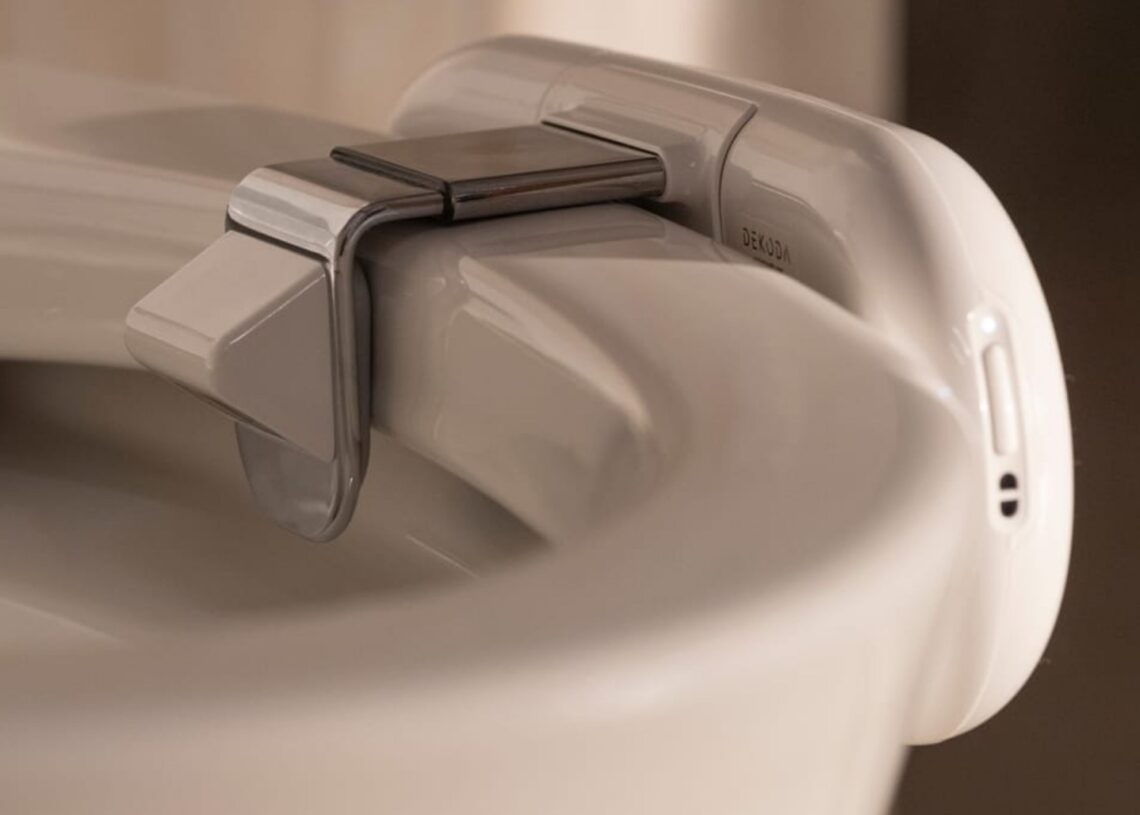
Kohler, the company whose name is probably written on your bathroom faucet, is now selling a $599 toilet-mounted smart camera called the Dakoda. It, unsurprisingly, is not the most secure piece of tech out there.
Cameras in toilets used to be the realm of degenerates. But leave it to major corporations desperate to seem like they’re on the cutting edge to put a camera in your toilet and call it innovation instead of perversion. The Dakoda snaps pics of whatever you leave behind, and then it tells you how your guts are doing.
Gut health is important. But you don’t need to pay $600 for a camera that tells you whether your poop is healthy or not. Just Google Image Search a chart that lays out the spectrum between healthy and sickly, and poop, and call it a day.
Smart Toilet With Built-In Camera Gave Customers a False Sense of Encryption Security
As reported by TechCrunch, in a twist that should shock absolutely no one, there are some privacy concerns with the toilet camera. Specifically, on the Kohler website, the company claims that all data from the toilet camera is protected with “end-to-end encryption.”
That sounds reassuring on the surface until security researcher Simon Fondrie-Teitler pointed out that, actually, no, it isn’t.
Digging through Kohler’s privacy policy, he found the company was really talking about TLS encryption, the standard protection every HTTPS website uses. True end-to-end encryption, the kind used by messaging apps, means the company itself can’t access your data.
Kohler absolutely can. The words “end-to-end encryption” have a clear definition, and it’s the exact opposite of how Kohler is trying to define it.
Kohler’s head of regulatory affairs, Steve Lin, defended the phrasing, saying that end-to-end refers to encryption between users and Kohler itself—essentially redefining the term to suit their product.
The company also said data is encrypted “at rest” on your phone, the toilet attachment, and Kohler’s servers. But once it reaches those servers, Kohler decrypts and processes it to deliver health insights.
How else can they tell you whether your poop looks weird if they can get a peek at it themselves?
This means the company potentially has access to thousands, maybe even tens of thousands, of pictures of turds of all consistencies and shades just sitting on their servers. The fact that a company that makes faucets and toilets even has servers to store user data is a little too dystopian for my tastes.
The post Turns Out Putting a Camera in a Smart Toilet Was a Bad Idea appeared first on VICE.