A federal judge in Florida on Friday approved the release of grand jury documents from a nearly 20-year-old investigation of Jeffrey Epstein, beginning the process of making public another batch of long-sought material about the deceased financier.
The investigative material from the Florida case is among the older information that law enforcement held about Mr. Epstein, dating to an investigation that was first opened in 2005 into allegations that he was abusing teenage girls. The inquiry ended in 2008, when Mr. Epstein pleaded guilty to state charges of soliciting prostitution, in a deal widely seen as overly lenient.
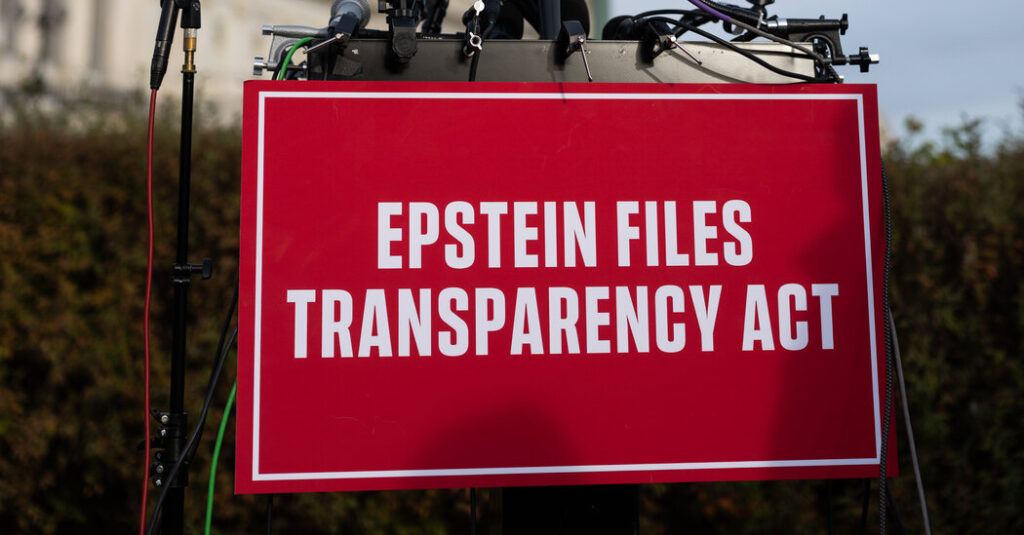
The ruling on Friday came after Congress passed a law last month requiring the Justice Department to release all its files on the convicted sex offender by Dec. 19.
The process still requires the department to seek approval from judges to release grand jury material, as well as to make a number of redactions of related to victims and other personal identifying information.
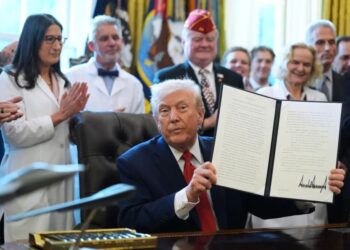
In a brief order, Judge Rodney Smith of the Federal District Court for the Southern District of Florida wrote that the bill, which was signed into law by President Trump last month, allowed the court to unseal the documents. He noted language in the legislation, which required the government to release “the unclassified records, documents, communications and investigative materials that relate to Jeffrey Epstein and Ghislaine Maxwell,” his longtime companion.
After his plea in Florida, Mr. Epstein was investigated again in New York and indicted on federal sex trafficking charges, before dying by suicide in jail while awaiting trial in 2019.
For years, Mr. Trump and others in his orbit repeatedly pledged to make the files public after ginning up theories about their contents and which associates of Mr. Epstein might be implicated.
After his re-election, Mr. Trump pivoted and began to downplay the significance of the files.
The president, whose friendship and subsequent falling out with Mr. Epstein is well documented, appeared disinclined to release the files but ultimately supported the legislation under pressure by Republicans in Congress, who joined with Democrats in calling for the release.
In recent weeks, periodic disclosures made by lawmakers have stirred speculation about the extent of the previously unknown information about Mr. Epstein that is in the government’s possession. A batch of emails Mr. Epstein sent while in jail, released by Democrats on the House Oversight Committee, revealed repeated references to Mr. Trump, as well as ongoing conversations between Mr. Epstein and prominent figures such as the economist Larry Summers and the journalist Michael Wolff.
Earlier this year, before the passage of the legislation, judges in Florida and New York had declined similar requests from the government to unseal the files, citing rules of criminal procedure that prohibit the release of grand jury materials.
In the New York case, a federal judge also entered a protective order barring the government from any attempts to unilaterally release the records, after Mr. Trump, Attorney General Pam Bondi and other senior officials had pledged to make the materials public.
But even as the government lodged those requests this year, it stressed that little, if anything, in the transcripts was likely to significantly expand the public’s knowledge of Mr. Epstein’s life and criminal history.
The law passed by Congress gave the Justice Department 30 days from its passage to release the files related to the Epstein investigation in its possession.
A Justice Department spokesman declined to comment on the order on Friday, other than to note the material’s age.
Devlin Barrett and Seamus Hughes contributed reporting.
Zach Montague is a Times reporter covering the federal courts, including the legal disputes over the Trump administration’s agenda.
The post Judge Approves Release of Epstein Grand Jury Documents in Florida Case appeared first on New York Times.