I’m a registered dietitian feeding my family of four — including one teenage boy with an appetite for two — on a budget, so balancing nutrition and cost is my priority.
Before I became a dietitian, I was a frugal shopper who relied on store brands and sales that kept my family below our target budget.
When an Aldi opened nearby, I didn’t expect switching stores to drastically impact our savings, nor was I convinced that its product quality could match that of other store brands.
It turns out I was wrong on both accounts. And once I began bargain shopping for organic milk to give my toddler, I became a true Aldi enthusiast.
Now, I visit the discount grocer weekly for nutrient-dense staples, such as fish, nuts, frozen fruits, and vegetables that help stretch our grocery bill even further.
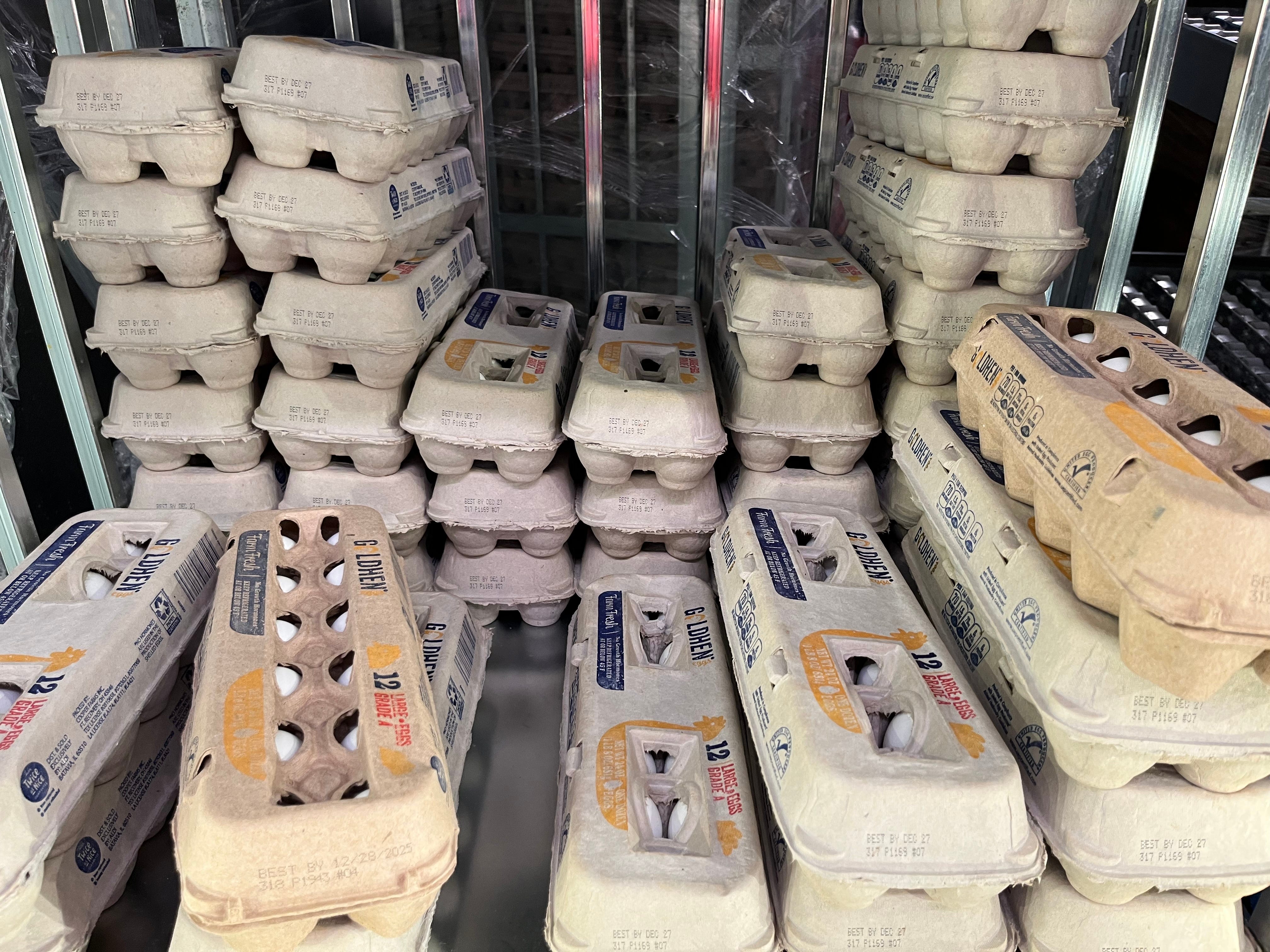
Eggs are the one budget protein I always buy at Aldi.
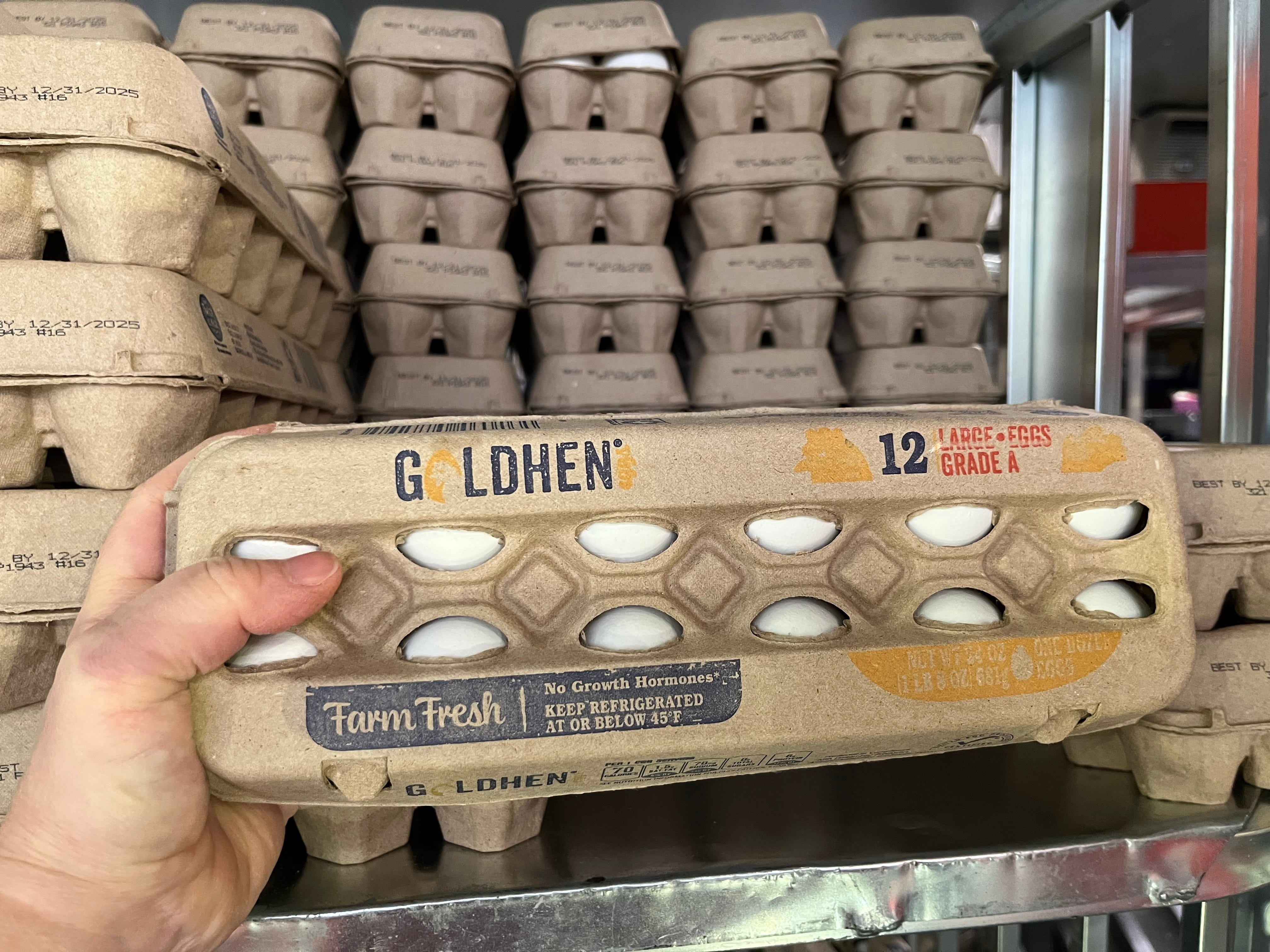
I buy two dozen eggs every time I’m at Aldi since they cost much less here than at the other stores near me.
My family uses eggs for breakfasts like omelettes, waffles, and pancakes, and we also hard-boil them for an on-the-go snack (each one has over 6 grams of protein).
I use raw nuts as toppings and for baking.
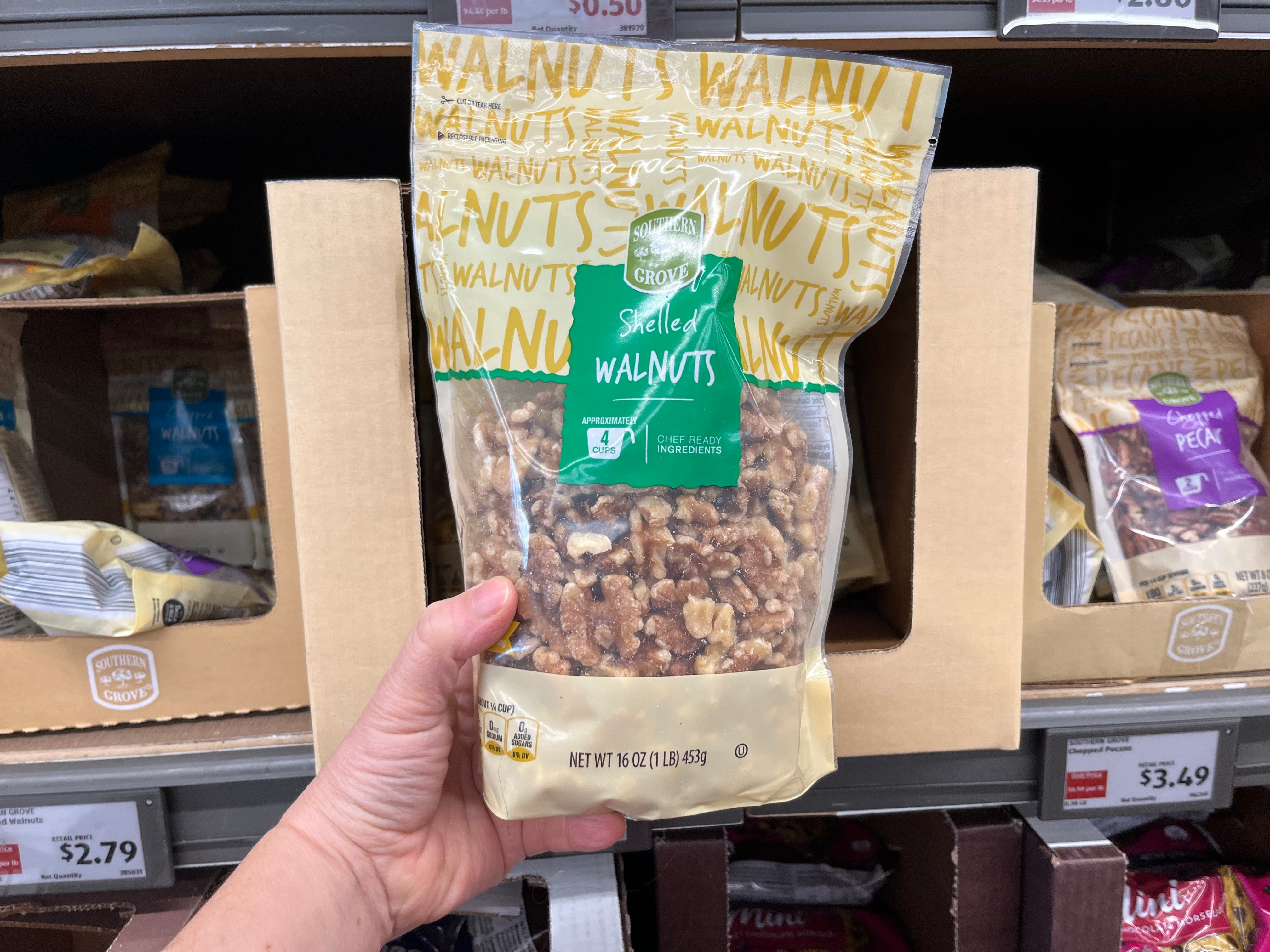
I like to stock up on raw nuts, like walnuts and pecans, since I can use them in so many different recipes that I know my family won’t waste them.
For example, roasted pecans with maple syrup and rosemary are a delicious snack. I also add nuts to Greek yogurt, overnight oats, banana bread, and various desserts.
I keep walnuts, which are packed with heart-healthy fats, in the pantry or the freezer when I want to store them for a long period of time.
My trip to the dairy aisle isn’t complete without a large tub of Greek yogurt.
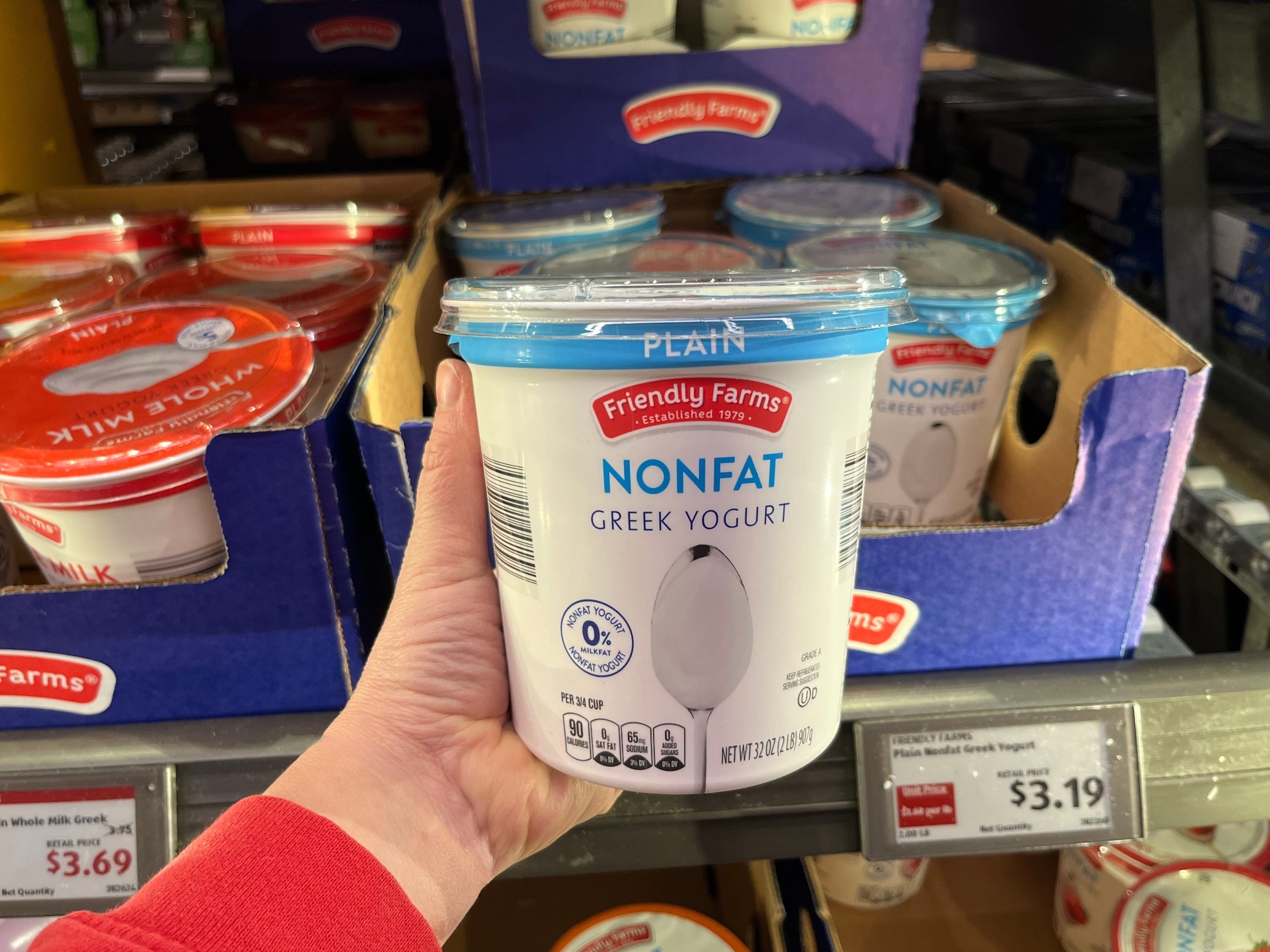
I always grab a 32-ounce tub of Aldi’s Friendly Farms plain nonfat Greek yogurt with no added sugar.
Greek yogurt contains probiotics, also known as “good bacteria,” which offer a range of health benefits. It’s also a decent source of protein — this variety has 16 grams of protein per serving.
I eat it for breakfast often and add chia seeds, walnuts, and blueberries for extra flavor and nutrients.
Greek yogurt is also great to have on hand for substitutions in recipes calling for sour cream or mayonnaise.
Sliced sourdough serves as the perfect base for sandwiches and melts.
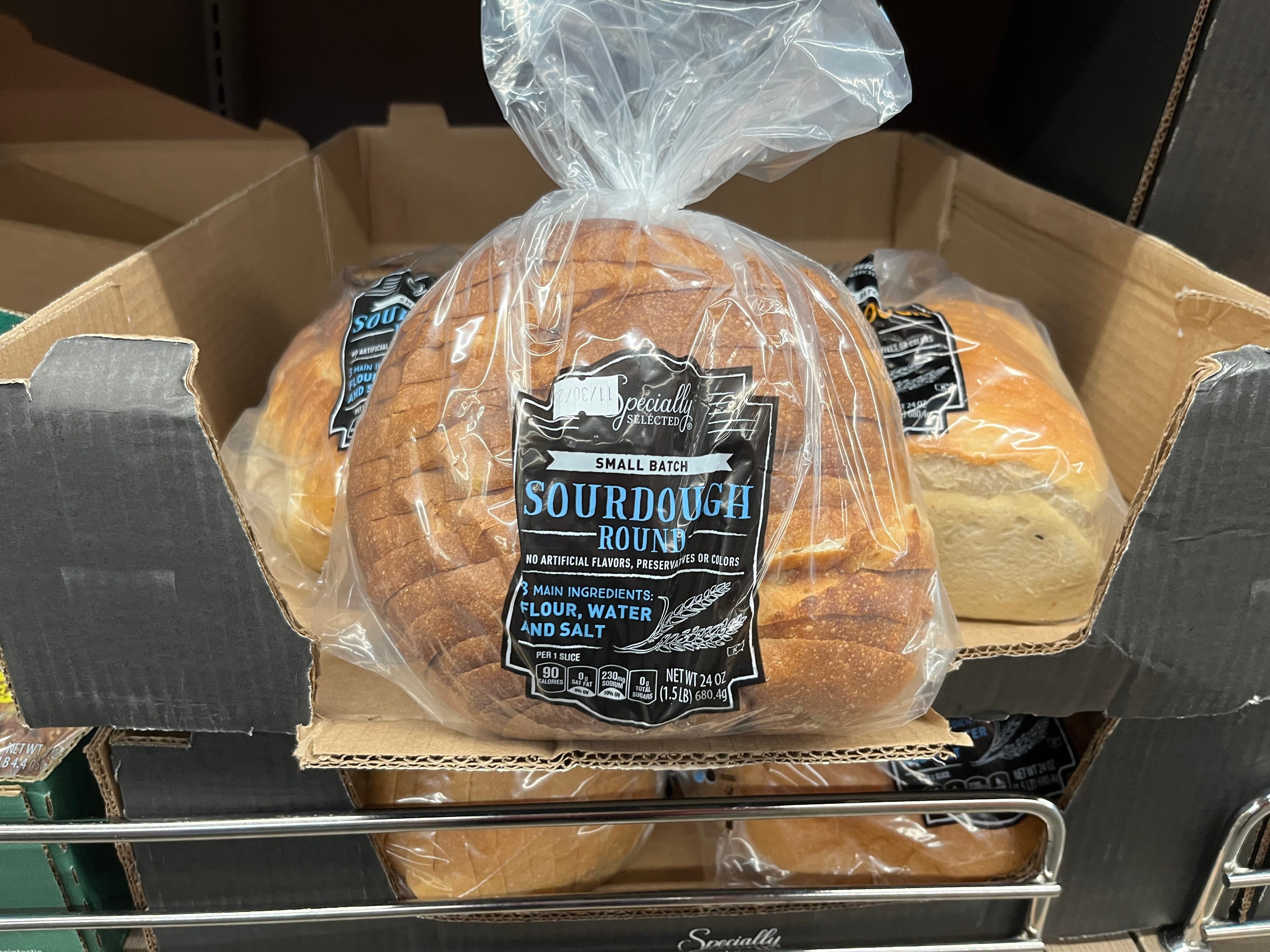
I like that Aldi’s Specially Selected sourdough is made with only a few ingredients.
This bread has the natural tang of traditional sourdough even though it contains commercial yeast, which isn’t an ingredient in authentic sourdough made with only water, flour, and salt.
However, I buy this loaf for its flavor and texture, as it works well with tuna melts, avocado toast, or fried eggs sprinkled with Trader Joe’s Everything but the Bagel Sesame Seasoning Blend.
Jarred olives are an underrated find I use to flavor salads.
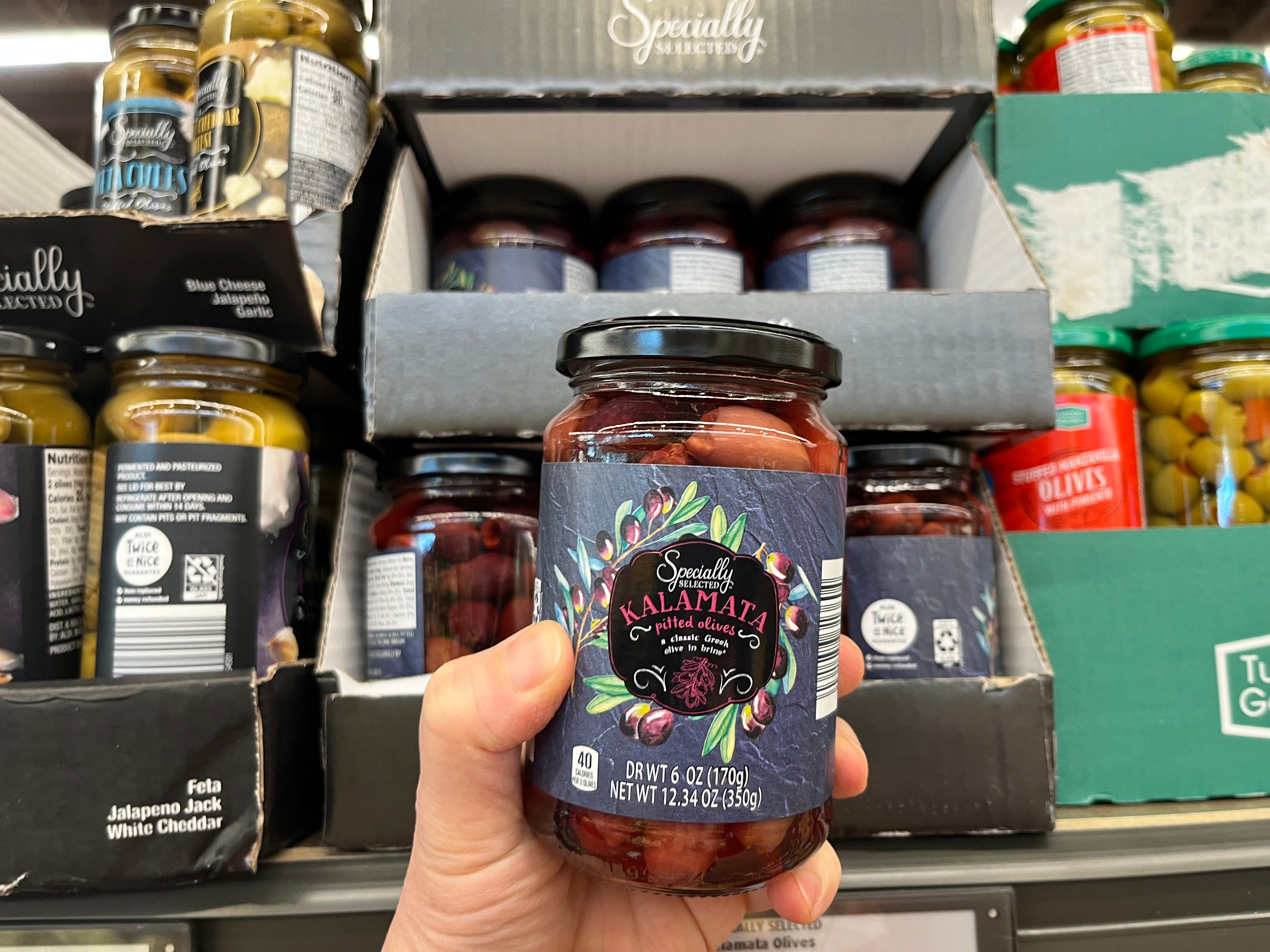
Olives are a low-carbohydrate staple filled with healthy fats and fiber.
Instead of relying on cheese and processed ingredients to flavor salads and grain bowls, Kalamata olives add a delicious briny taste.
For parties, I use olives to make homemade tapenades, which are a great addition to cheeseboards.
Frozen berries are one of the best bargain staples at Aldi.
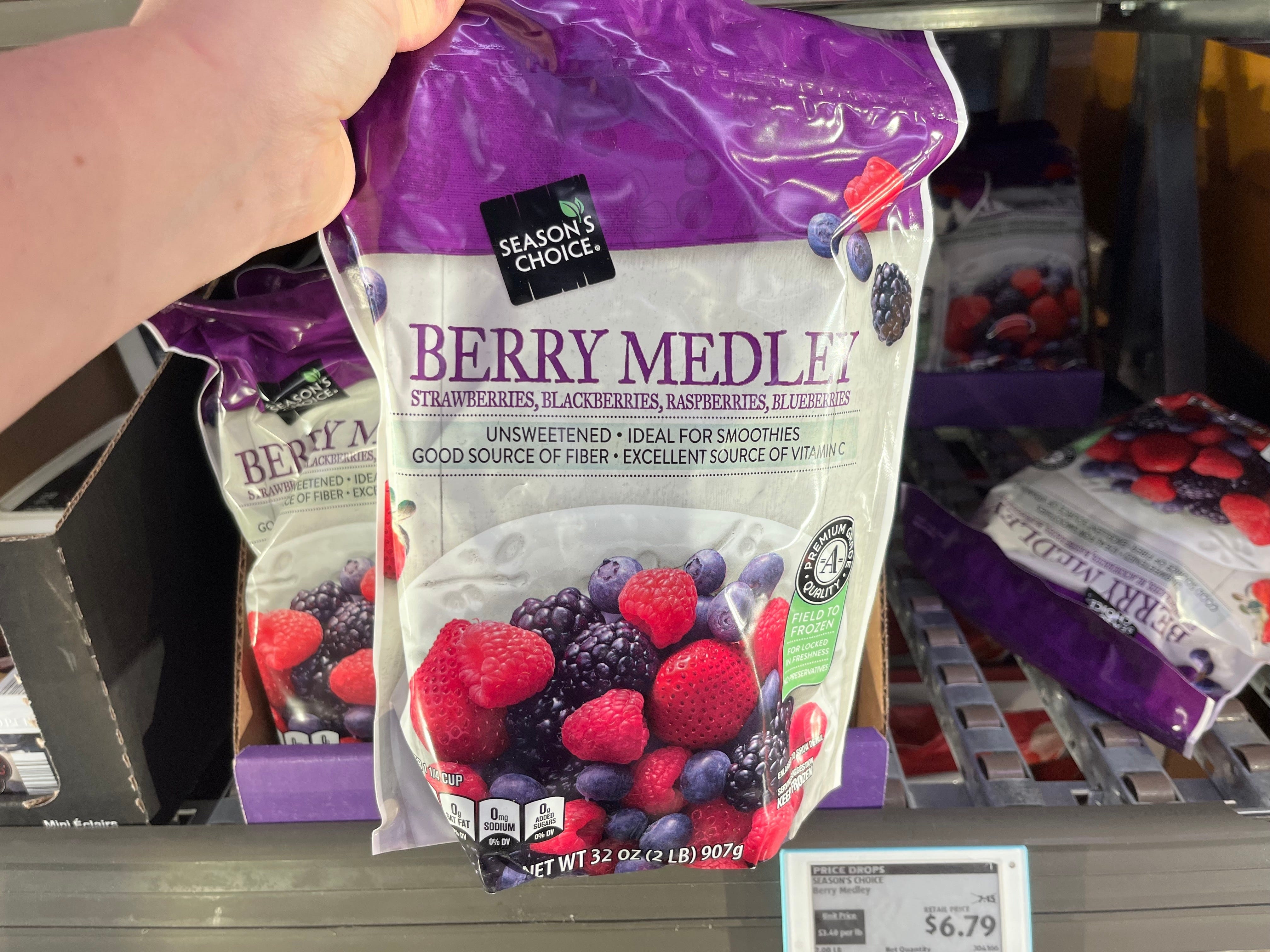
Frozen berries, which are packed with antioxidants, are one of Aldi’s best bargains. The cherry and berry medleys are great in smoothies with almond milk and chia seeds.
I always buy frozen blueberries since we use them almost every morning in overnight oats, yogurt bowls, or muffins.
I use canned fish and frozen seafood to make quick, protein-packed meals.
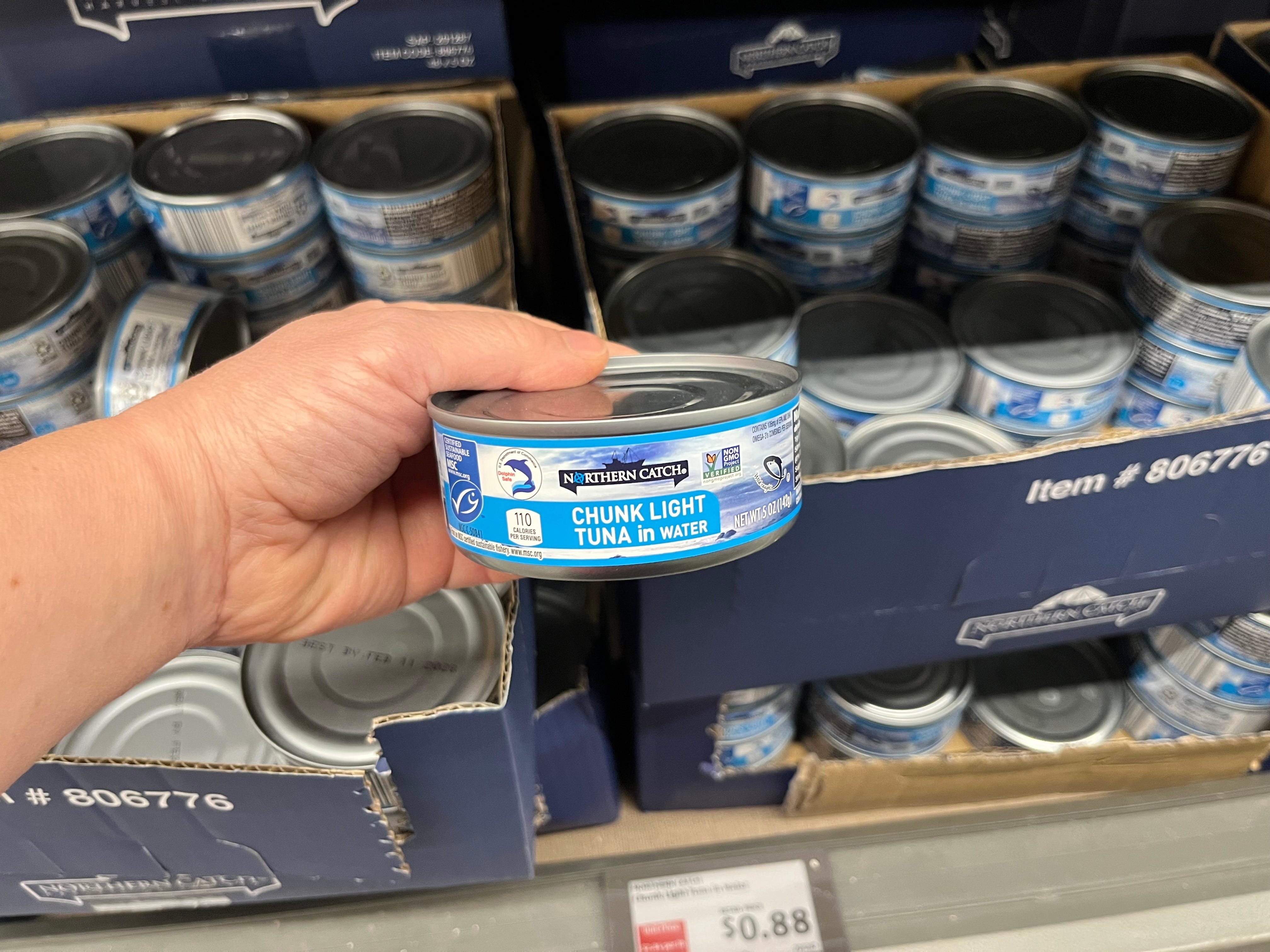
I often add canned tuna, a lean and inexpensive protein, to my cart.
Northern Catch chunk-light tuna has 20 grams of protein per serving, and my son loves using it to make tuna melts.
The store’s canned salmon is another staple for us. I throw it over salads when I don’t have anything prepped for lunch.
And if I want a seafood dinner that feels a bit more luxe, I grab Aldi’s frozen tuna steaks to make sesame-crusted, pan-seared tuna.
I stock up on steel-cut oats to prep easy high-fiber breakfasts.
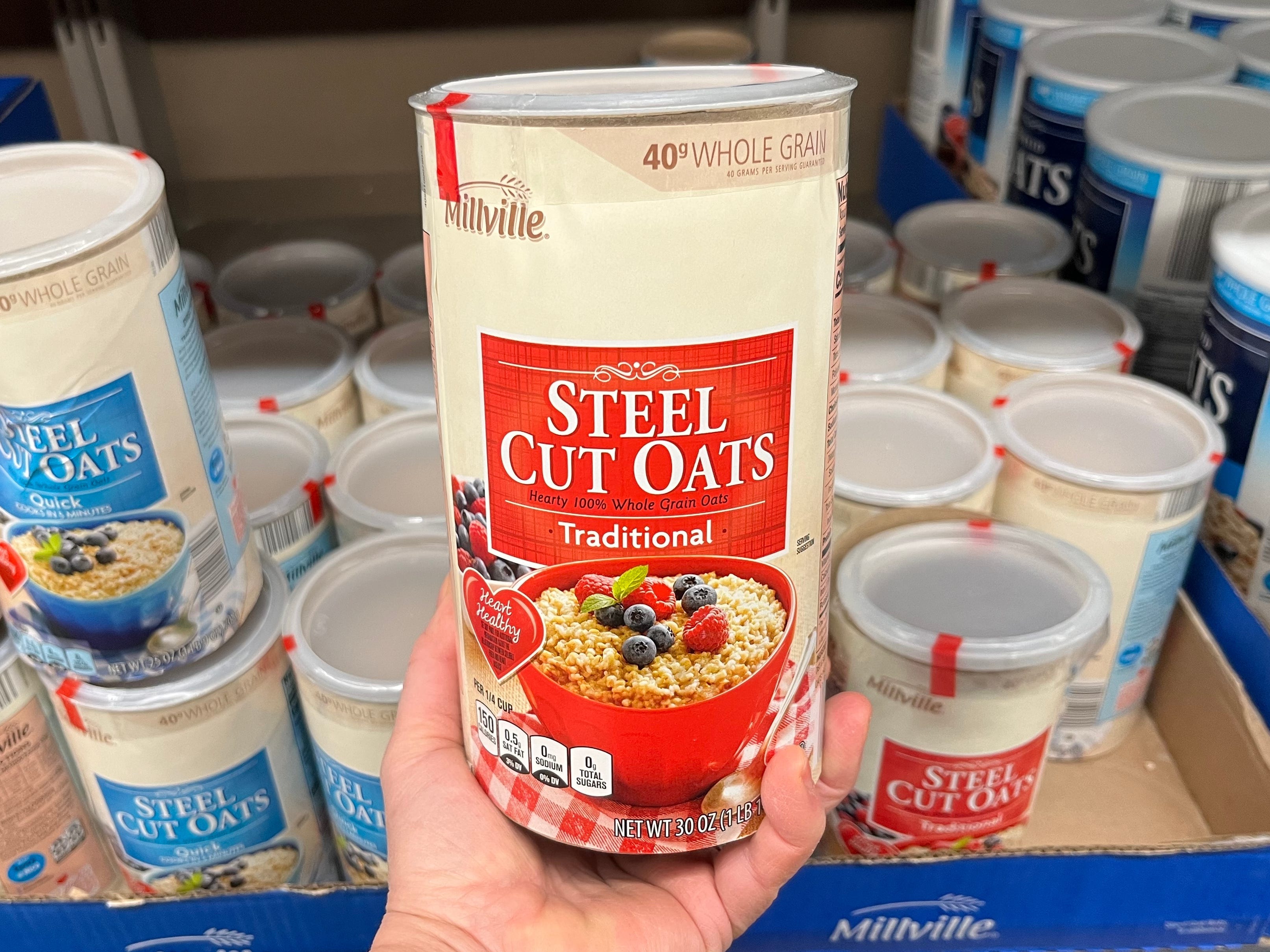
I buy Aldi’s old-fashioned and steel-cut oats to meal prep overnight oats for the week. Each serving of them has a nice dose of fiber, and I top them with nuts for even more protein.
My family also uses oats to make energy bars, granola, and toasted oats. We’ve even used them as a high-fiber binder in place of breadcrumbs in some recipes.
Aldi’s produce section is not to be missed.
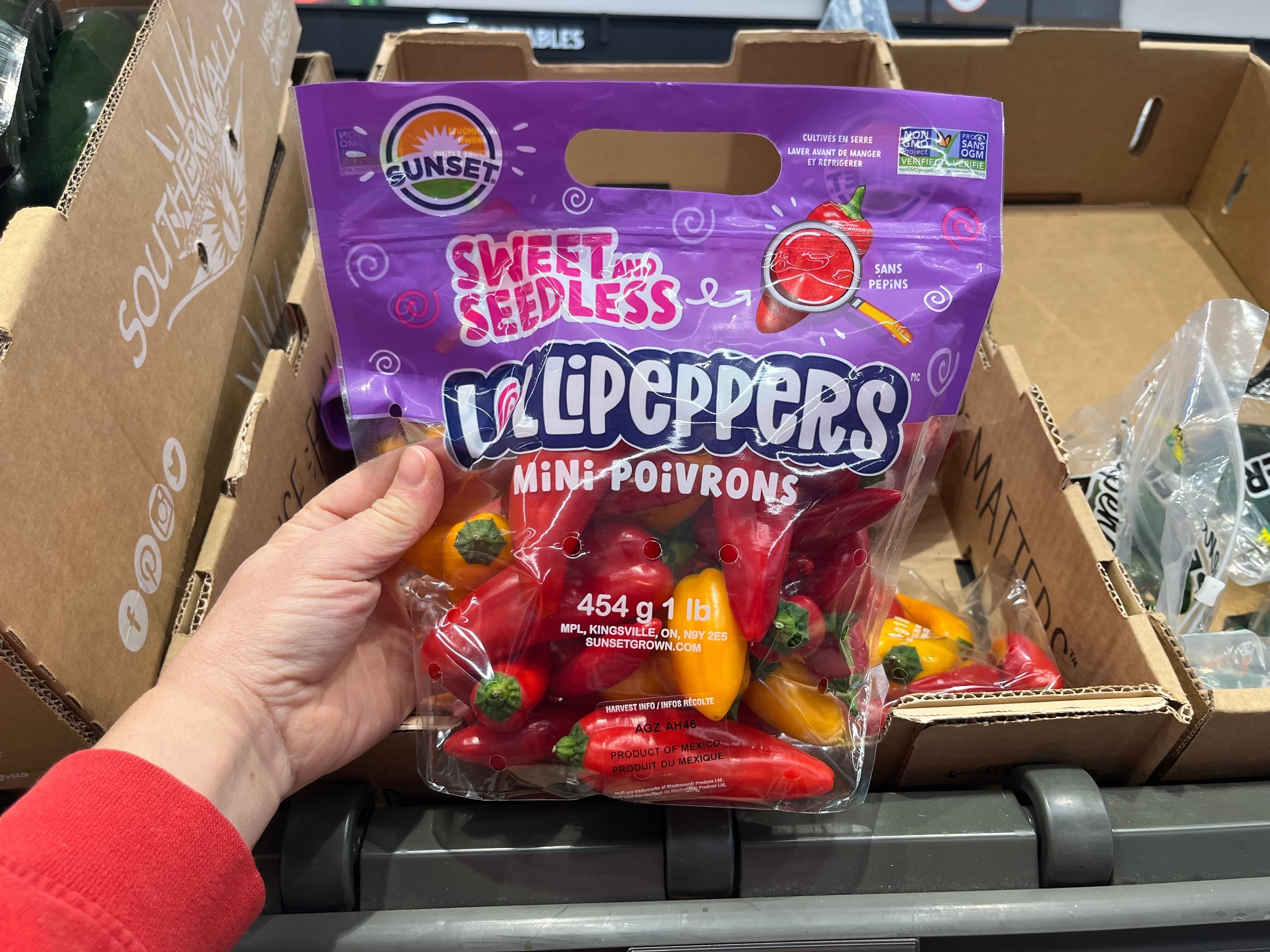
Aldi’s produce section has my favorite salad ingredients — prewashed arugula, peppers, red onions, tomatoes, mushrooms, and radishes — at an affordable price.
I also stock up on zucchini, red peppers, and red onions to make a large batch of grilled or roasted vegetables at least once a week.
I can reheat them as side dishes or mix them with quinoa, arugula, chickpeas, feta, and hummus for a delicious and easy-to-prepare lunch.
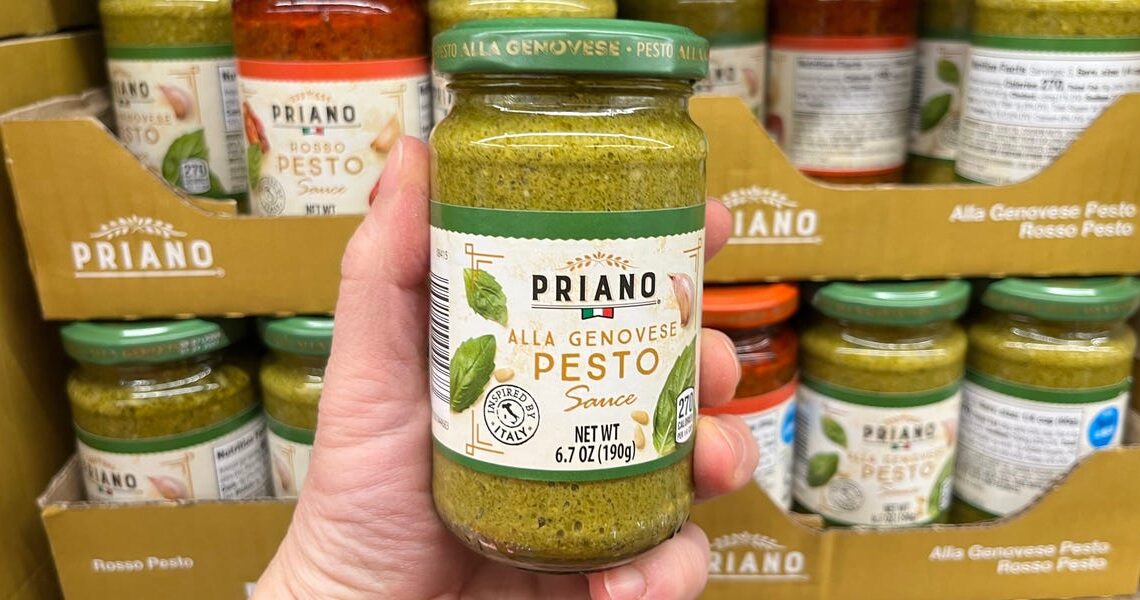
The jarred pesto I keep in my pantry gives any meal a low-lift upgrade.
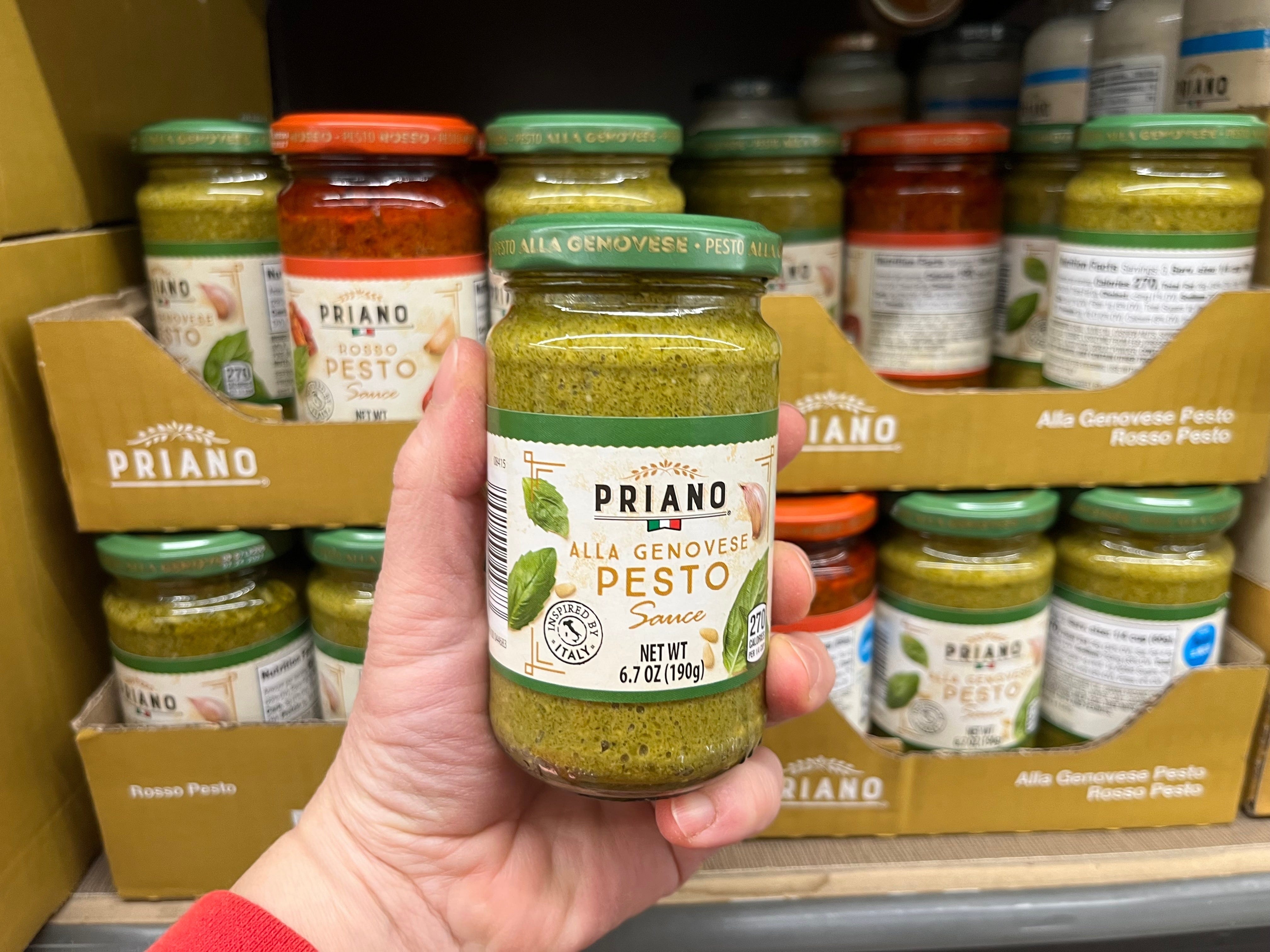
I buy Aldi’s jarred pesto because it tastes better than other brands I’ve tried, and it’s less expensive than making it from scratch (plus, it’s way easier).
I keep a few jars in the house at all times since I use the sauce to make one of my family’s favorite quick meals: pasta with chicken or shrimp, broccoli, pesto, and grated Parmesan cheese.
I keep chia seeds in my freezer for quick add-ins to Greek yogurt and smoothies.
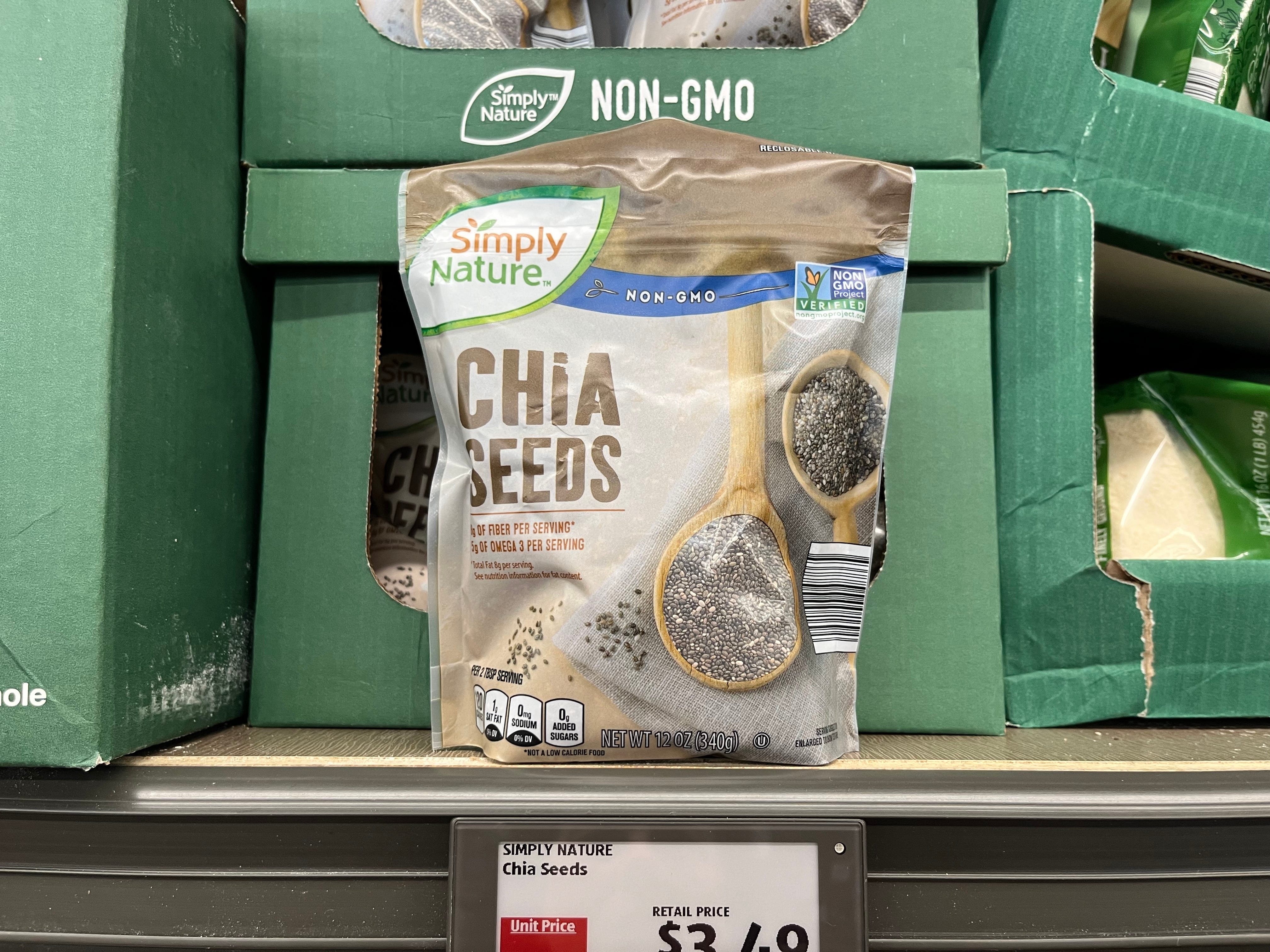
About 2 ½ tablespoons of these tiny seeds provide about 10 grams of fiber, 5 grams of protein, and 8 grams of fat. They’re also heart-healthy.
Since we only use about a tablespoon at a time on yogurt or in smoothies for the extra nutrient boost, I store them in the freezer to extend their shelf life.
After all, these high-fat seeds can spoil at room temperature.
Read the original article on Business Insider
The post I’m a dietitian who loves Aldi. I rely on these 11 items to feed my family of 4 on a budget. appeared first on Business Insider.