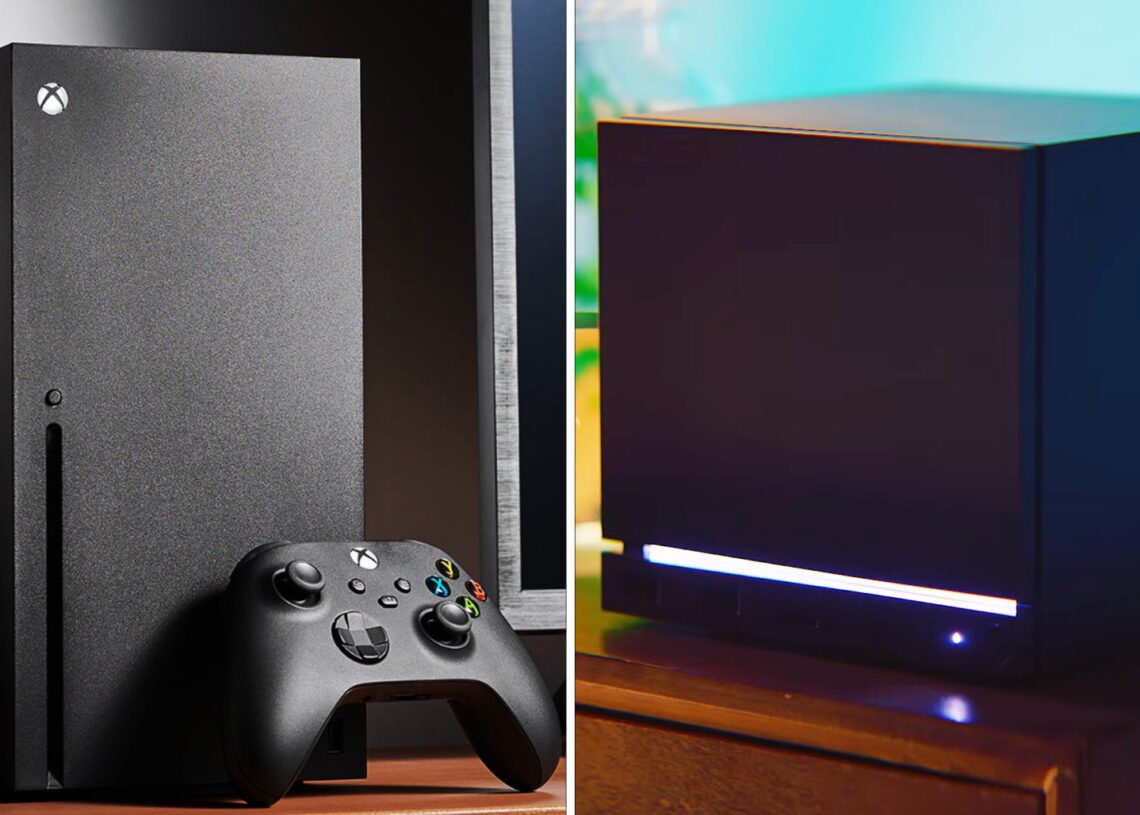
Valve’s Steam Machine aims to be a game-changer by bringing PC gaming to the living room in a compact, easy-to-use box. Waypoint is diving under the hood to see how the new hardware compares to the current PlayStation and Xbox Series X|S console generation.
RAM and Storage space

First off, let’s take a closer look at how much storage space and temporary memory each of the pieces of gaming hardware has. These stats help determine how fast each machine will feel and how many GB of games users can store locally before they have to rely on external storage or cloud-based gaming sessions.
Steam Machine – 16GB DDR5 (CPU) + 8GB GDDR6 (VRAM) and 512GB or 2TB NVMe SSD (Both models include a high-speed microSD card slot)
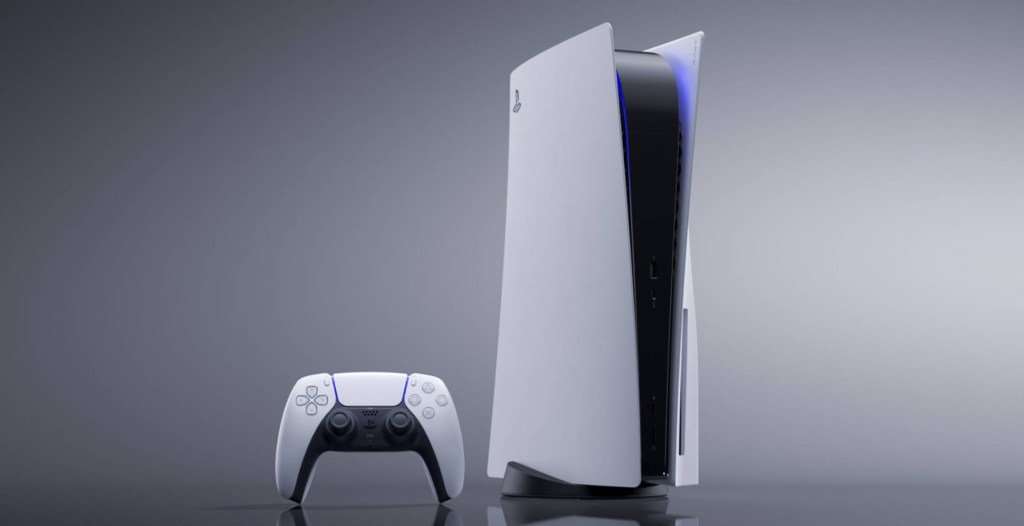
PlayStation 5 – 16GB GDDR6 and 825GB Custom NVMe SSD
Xbox Series X – 16GB GDDR6 and 1TB or 2TB Custom NVMe SSD
CPU and Graphics Card
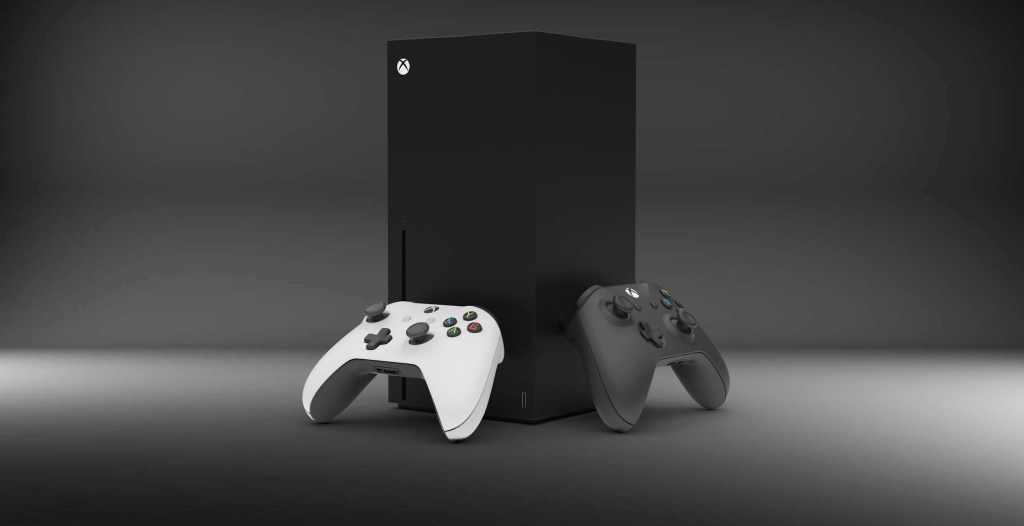
The power of each machine, and what sort of graphics it is able to output, largely come down to the CPU and GPU architecture. Any PC gamer who has ever built their own rig is likely aware how important (and costly) these decisions are. Here is the technology that is powering each of these gaming machines:
Steam Machine – Custom AMD Zen 4 (6 Cores, 12 Threads) and AMD RDNA 3 (28 Compute Units)
PlayStation 5 – Custom AMD Zen 2 (8 Cores, 16 Threads) @ 3.5GHz and AMD RDNA 2 (36 Compute Units)
Xbox Series X – 8X Cores @ 3.8 GHz (3.6 GHz w/SMT) Custom Zen 2 CPU and 12 TFLOPS, 52 CUs @1.825 GHz Custom RDNA 2 GPU
how do the Steam Machine, PS5, and Xbox Series X comparisons translate to performance differences?
In general, the three machines are fairly close to each other in terms of raw power and capabilities. That said, Valve is clearly looking to deliver a mid-range, affordable PC experience with the Steam Machine, rather than a total powerhouse. This pitch seems to be connecting with consumers, given how hard it could be to find a Steam Machine in early 2026.
The Steam Machine’s less dedicated VRAM will make it slightly less powerful than the other two machines. Despite that, the Steam Machine does have the benefit of a CPU with newer Zen 4 architecture. That upgrade will help give the Valve machine a boost in performance.
Steam deck versus Nintendo Switch 2

When it comes to the handheld market, we’ll compare the Steam Deck (OLED Model) to the Nintendo Switch 2. It’s worth noting that the PlayStation Portal and ROG Xbox Ally X are also high-quality options that have their own set of pros and cons separate from this comparison.
CPU
Nintendo Switch – Custom NVIDIA T239 (8x ARM Cortex A78C)
Steam Deck – Custom AMD Zen 2 (4 Cores, 8 Threads)
Graphics Card
Nintendo Switch – NVIDIA Ampere
Steam Deck – 8 RDNA 2 CUs, 1.6GHz (1.6 TFlops FP32)
RAM and Storage Space
Nintendo Switch – 12GB LPDDR5X (Unified) and 256 GB
Steam Deck – 16GB LPDDR5 (Unified) and 512GB or 1TB NVMe SSD
how do the Steam Deck and Switch 2 comparisons translate to performance differences?

The Steam Deck and the Nintendo Switch 2 are both powerful handhelds with unique benefits and advantages. The Nintendo Switch 2 has a bit of the upper hand in terms of GPU power and a newer processor architecture, but the Steam Deck does offer more RAM to help with performance.
When it comes down to it, the average gamer making a decision between the Switch 2 and the Steam Deck will likely want to put more thought into the game library and the play experience they are aiming for, rather than comparing raw power. The main selling point of the Steam Machine is the ability to take the vast majority of the Steam PC gaming library on the go, whereas the Nintendo Switch 2 is all about experiencing the latest generation of Nintendo Switch 2 exclusives and the simple plug and play Nintendo console experience.
The post How the Steam Machine’s Specs Compare to Xbox and PS5 appeared first on VICE.