One thing I almost respect about “American Canto,” Olivia Nuzzi’s chaotic and elliptical new book about the simultaneous implosions of her life and of America, is that she doesn’t pander. The former Washington correspondent for New York magazine, Nuzzi knows what readers want from her: the story of her baffling affair with Robert F. Kennedy Jr. and ugly breakup with her fellow journalist Ryan Lizza. She writes that when her boss at New York found out about her relationship with Kennedy, whom she’d profiled for the magazine, she was given the option to save her career by coming clean publicly. “Tell all,” she writes. “Spare no detail, spare my job and my life as it was.”
If that deal was really on the table, she didn’t take it then and she doesn’t take it now. Instead, in “American Canto,” she makes anyone hungry for prurient details trudge through a grandiose postmodern pastiche that attempts to situate her personal catastrophe in the context of our collective one. Interspersed with Nuzzi’s stream-of-consciousness musings are facts about drone strikes, gun deaths and wild fires; long chunks of Q&A dialogue, including with Donald Trump; a court document detailing the assault on Nancy Pelosi’s husband; an F.B.I. report on the man who wrote the children’s book “Harold and the Purple Crayon”; and quotes from figures including Friedrich Nietzsche, Carl Jung and Jane Birkin.
It’s a pretentious mess, but an audacious one. It seems less an attempt to justify herself to the Beltway world she once inhabited than to catapult over it, into the more congenial realms of art and literary celebrity. “I had never been interested in politics, exactly,” she writes. Her concern, as best as I can tell, was and is the cultivation of her own mystique. Perhaps that’s why she had such an intuitive understanding of Trump world.
If you are interested in politics, the evasions in “American Canto” are maddening. In response to Nuzzi’s attempted reinvention, Lizza has been serializing his version of the story online, and he has alleged outrageous violations of journalistic ethics by his ex. Perhaps the most serious is his claim that Nuzzi used her reporting skills to unearth potential negative stories about Kennedy so that he could quash or pre-empt them. Lizza may not be a reliable narrator, but her book suggests these charges are at least partly true, making the whole episode a serious journalistic scandal hiding inside a frivolous sexual one.
She describes alerting Kennedy, whom she calls the Politician, to an emerging story about him dumping a bear cub carcass in Central Park, and instructing him to get ahead of it. Thanks to her intervention, he posted a video of himself telling the story to Roseanne Barr before it was reported in The New Yorker. Even as she covered the 2024 presidential campaign, Nuzzi was secretly acting as Kennedy’s adviser. “It was not my place or interest to tell him what to do, but to be helpful and supportive while he weighed his options,” she writes.
An odd thing about the book — one that gives it an aloof, affectless quality — is that Nuzzi doesn’t seem to recognize that her collaboration with Kennedy was a grave professional betrayal. She blames Lizza, whom she refers to as “the man I did not marry,” for making her private life public as part of a harassment campaign against her, and seems to believe that by firing her, New York was complicit. The magazine, she writes, “had been spooked into participating in what I considered a siege of hyper-domestic terror.” Her total lack of introspection, at least on the page, is vaguely uncanny.
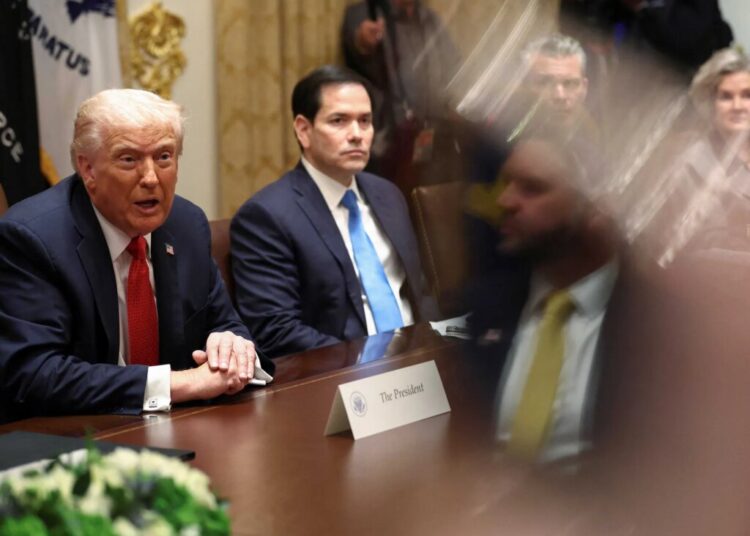
Throughout the book, she casually drops information about Kennedy that, if true, would have been of great public interest before his Senate confirmation hearings to become the secretary of health and human services. A former heroin addict, Kennedy is officially sober, but according to Nuzzi, he does psychedelics for fun. She writes that he is “not good in a crisis” and “did not handle stress well.” Toward the end, she writes, almost as an aside, that he had a frightening temper. “The man who yelled was not the man I thought I knew,” she wrote. “The man who yelled was the man others had told me to fear.”
Yet Nuzzi, who never fully escapes Kennedy’s sway, appears to view these flaws as a personal matter. Watching his confirmation from California, she writes, “As the senators entered the chamber, I prayed that the Politician would be protected, prayed that God would use him as a force for good, and in that way prayed, too, for myself, for my own redemption.”
“American Canto” wants to capture the atmosphere of paranoid, ambient menace that’s been choking this country for the last decade, but Nuzzi shows no awareness of Kennedy’s role in cracking consensus reality apart through his anti-vaccine conspiracy mongering. She’s fond of portentous factoids, so here’s one: Last week, Kentucky announced the third infant death from pertussis, or whooping cough, in the past year. “None of the infants who died of pertussis in Kentucky over the past 12 months had been vaccinated, nor had their mothers,” said Kentucky’s Department for Public Health.
Yet if Nuzzi is not on the way to redemption in a moral sense, until recently, her career resurrection seemed to be going well. She lives in Malibu now, and describes partying with the sort of people who worry about the presence of microplastics in their coke straws, people who probably won’t hold her complicity with Kennedy against her. In September, she became the West Coast editor of Vanity Fair. An abstract nude portrait of her, which will be on view at Art Basel in Miami, reportedly appears in the magazine’s Hollywood issue.
Lizza’s salacious dispatches may end up foreclosing Nuzzi’s future in journalism; The New York Times has reported that Vanity Fair is reviewing its ties to her. At the same time, his posts have already stoked interest in her book, just as her book has elevated Lizza’s online newsletter. After Nuzzi’s relationship with Kennedy became public, she wrote, she advised him on damage control. “Think of a story as a fire,” she said. “To stop the progress of the fire, you starve the story of its oxygen: new information.”
Together, Lizza and Nuzzi are keeping the fire of their incinerated reputations going. Rarely has scandal looked so much like performance art.
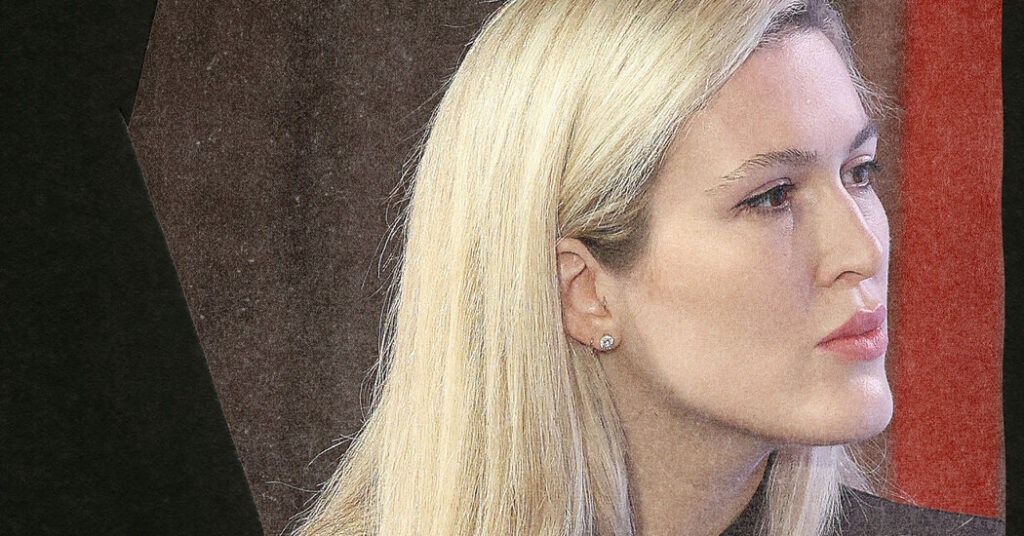
Source photograph: Alexander Tamargo/Getty Images for Vox Media.
The Times is committed to publishing a diversity of letters to the editor. We’d like to hear what you think about this or any of our articles. Here are some tips. And here’s our email: [email protected].
Follow the New York Times Opinion section on Facebook, Instagram, TikTok, Bluesky, WhatsApp and Threads.
The post A Serious Journalism Scandal Hiding Inside a Frivolous Sexual One appeared first on New York Times.