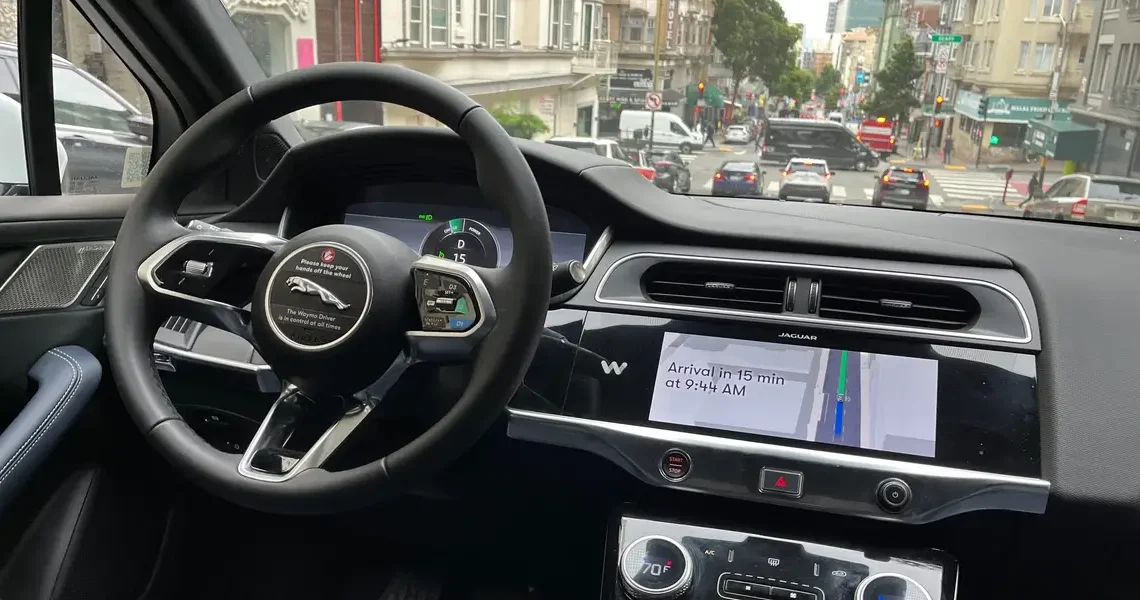
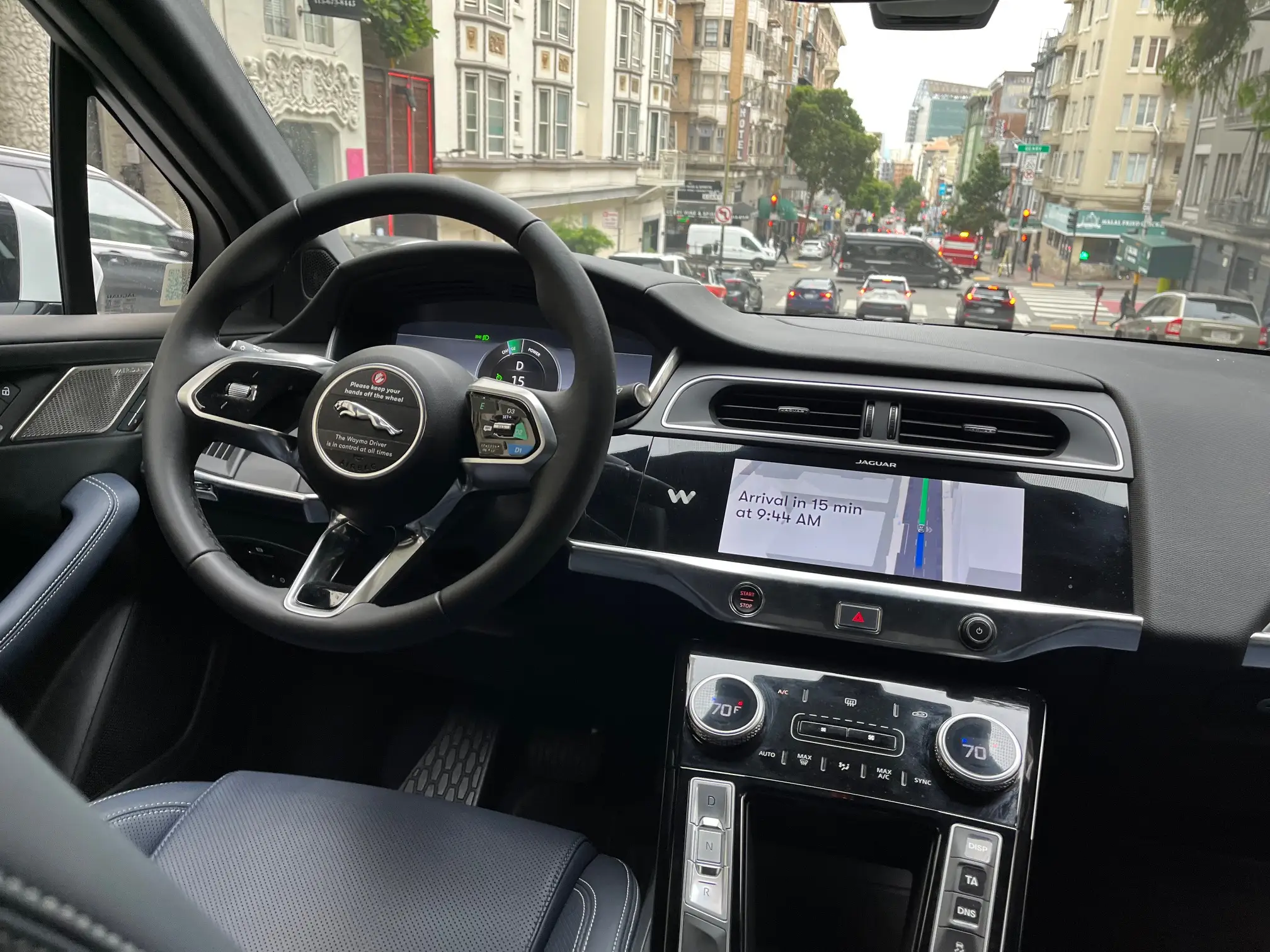
Robotaxis are coming to more US cities. San Francisco offers a glimpse of what the future might look like as their use expands.
On a recent trip to downtown San Francisco, self-driving cars, particularly those operated by robotaxi company Waymo, seemed to be on most of the streets. As a visitor to the city, it was odd to see so many cars ferrying people around without any driver behind the wheel.
But in San Francisco, that site is nothing new.
Waymo has had driverless cars operating in the city center since 2022, and hailing one of them has been an option for anyone who can download the company’s app since last year.
And robotaxis are set to expand in the US.
In November, Waymo added Houston, San Antonio, and Orlando to the list of cities where it will start using its cars, though the company said that riders need to wait until next year to hail a robotaxi in those places. Waymo is also preparing to offer driverless rides in several other cities, including Washington, D.C., and Las Vegas.
In Atlanta and Austin, companies like Uber and Lyft started offering rides in driverless cars earlier this year, but some riders have told me they’ve had to go out of their way to hail one.
And Tesla, which already offers its robotaxis in Austin, has plans to launch the service in several more US cities.
In October, I decided to hail a Waymo car in San Francisco and see what it’s like to ride one in a city where they’ve become so ubiquitous. Here’s what I found.
I used Waymo while getting around San Francisco for business.
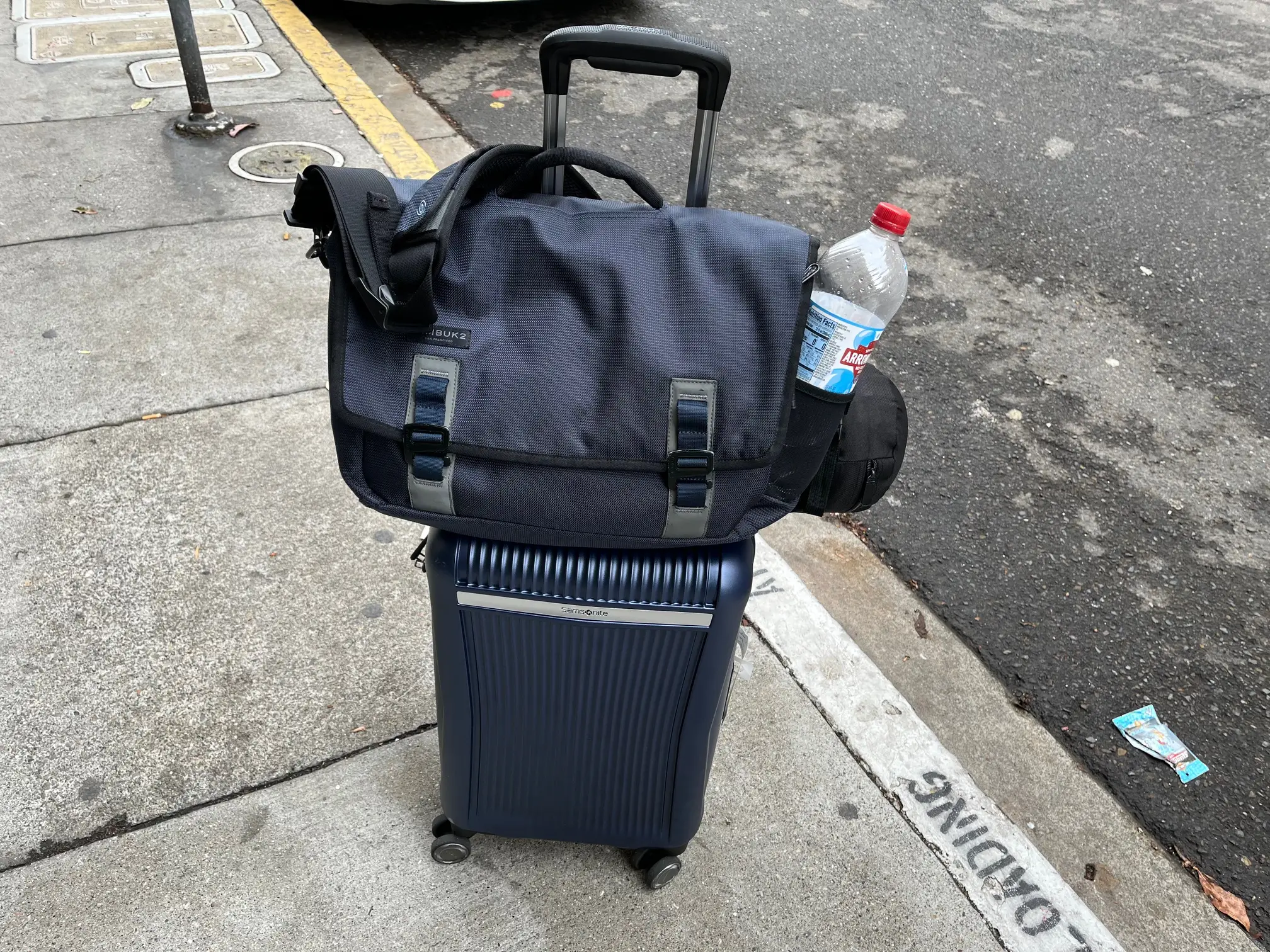
I wanted to get from my hotel near Union Square to a meeting about 12 minutes away, so I checked a few different ride-hailing options on my phone.
A 12-minute ride was about $16 on Waymo.
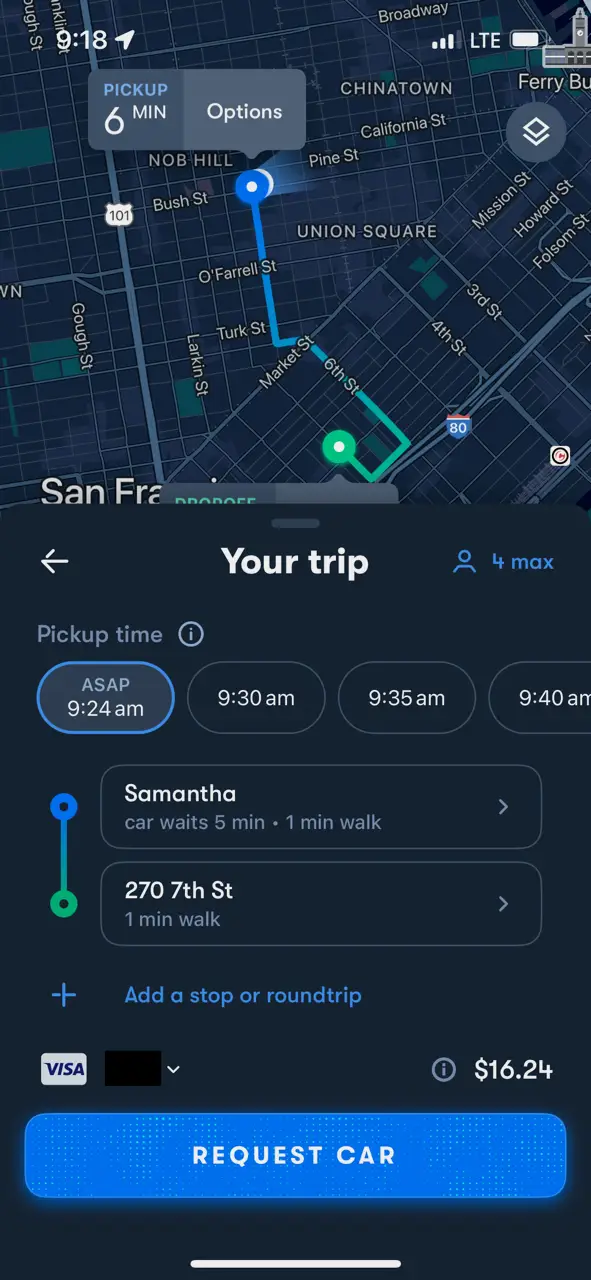
I was traveling close to 9:30 a.m., so I expected to hit rush-hour traffic and see higher prices than if I had waited until later in the day.
It was a little more expensive than the same trip on Uber or Lyft.
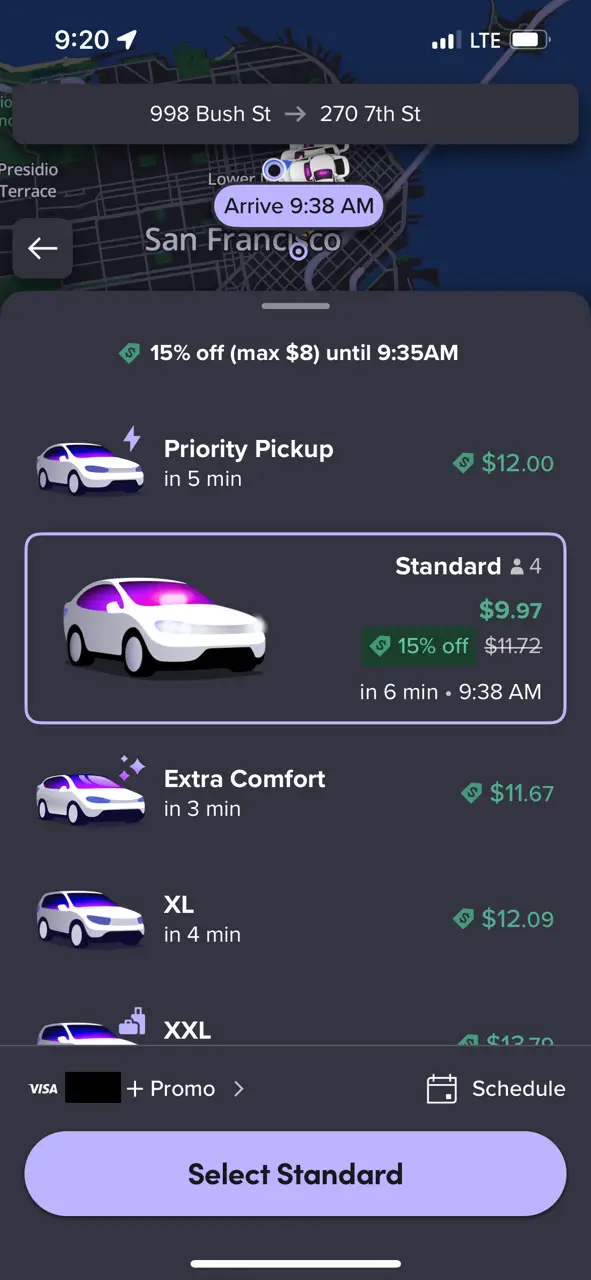
Despite not having a human driver to pay, Waymo charged me more than Uber or Lyft would have for the same trip.
After booking with Waymo, I pulled up the two other ride-hailing services to compare prices. An UberX ride would have cost around $13, while Lyft, which was running a discount when I checked, would have charged about $10.
With a 20% tip, the Uber ride would have cost about the same as Waymo, but the Lyft ride would’ve been a few dollars cheaper.
A Waymo spokesperson said that the company looks at multiple factors when pricing rides, such as the trip’s duration and distance. “During busier times, such as morning rush hour and weekends, prices may be higher,” the spokesperson said.
As I waited, I saw several other Waymo vehicles drive by.
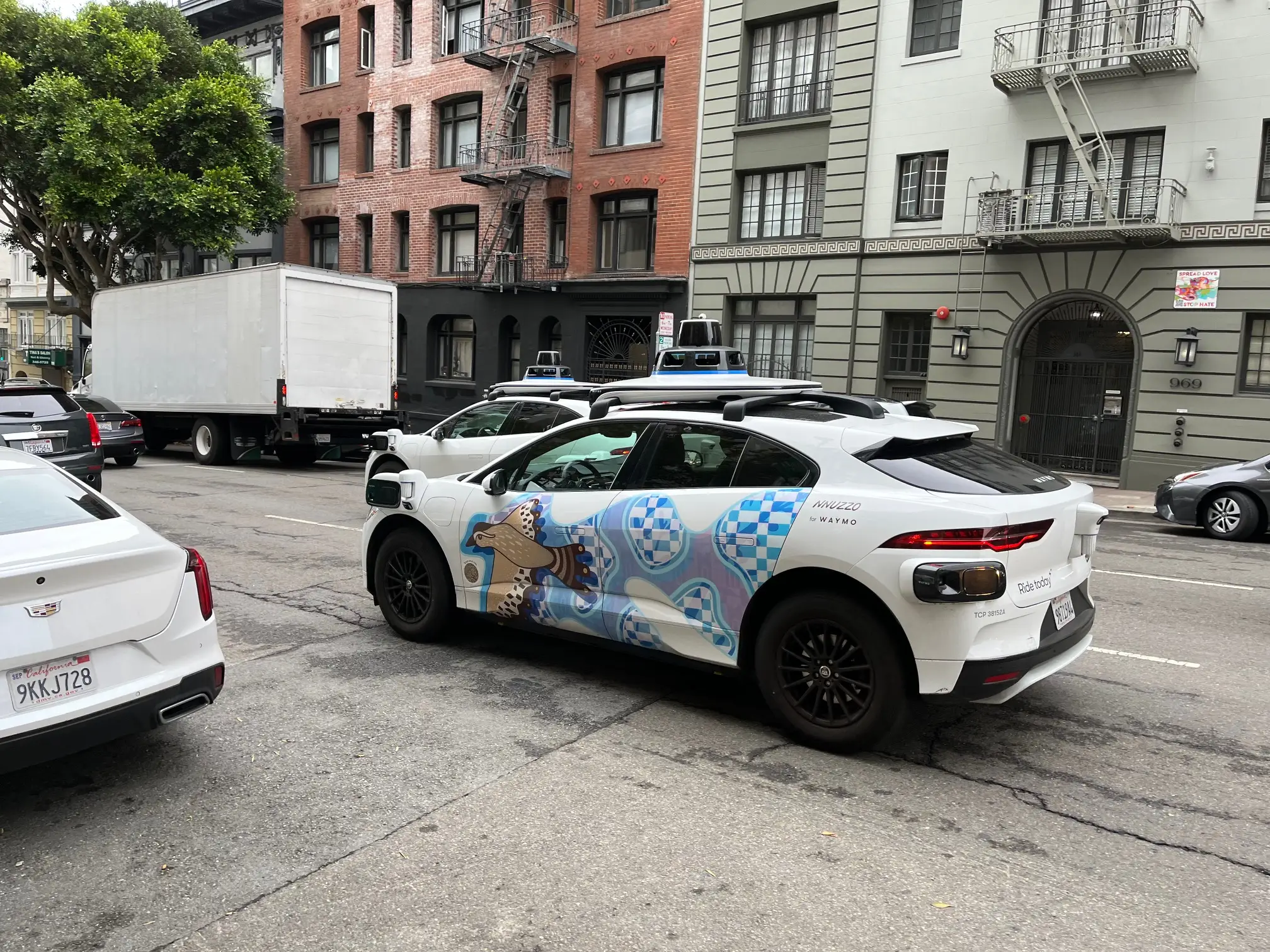
During the six-minute wait for my ride, I noticed at least a half-dozen other Waymo vehicles drive by, including two right next to each other.
Going around town over the previous couple of days, I found out how hard it was to walk around a city block without seeing at least one or two self-driving cars.
My car arrived, but I had to look twice to find it.
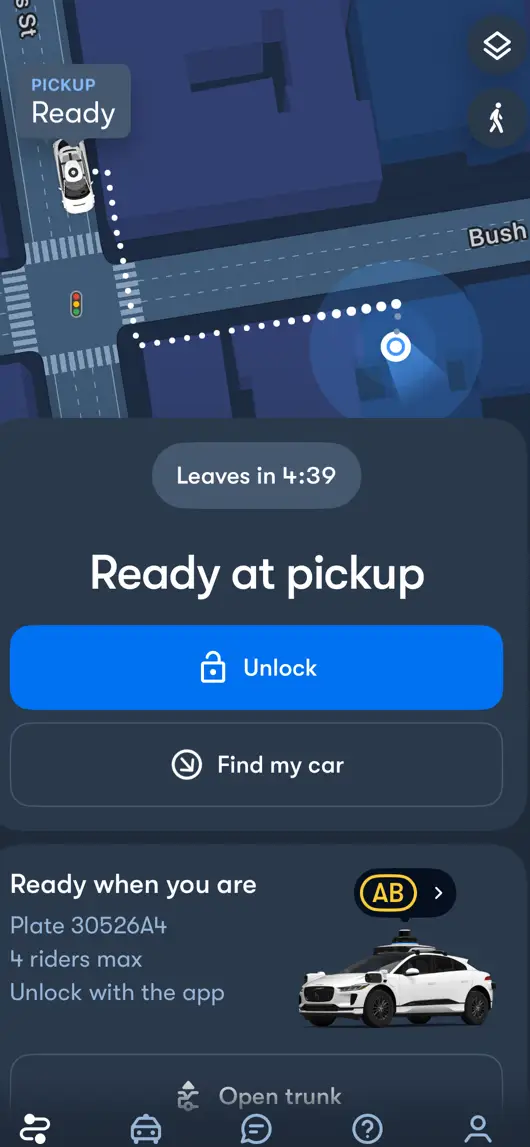
At first, I missed the notification that my car had arrived. As I looked around my pickup location, though, I couldn’t see a Waymo stopped near me.
After checking the map, I realized that it had stopped down the block and up another street. While it took less than a minute to walk there, I wondered why the car had not navigated to my designated pick-up point.
Waymo uses several factors, such as zoning, traffic, and walking distance, to determine where its vehicles pick up and drop off passengers, with the goal of “balancing safety and convenience,” the Waymo spokesperson said.
After going down the block, I found this Waymo vehicle waiting for me.
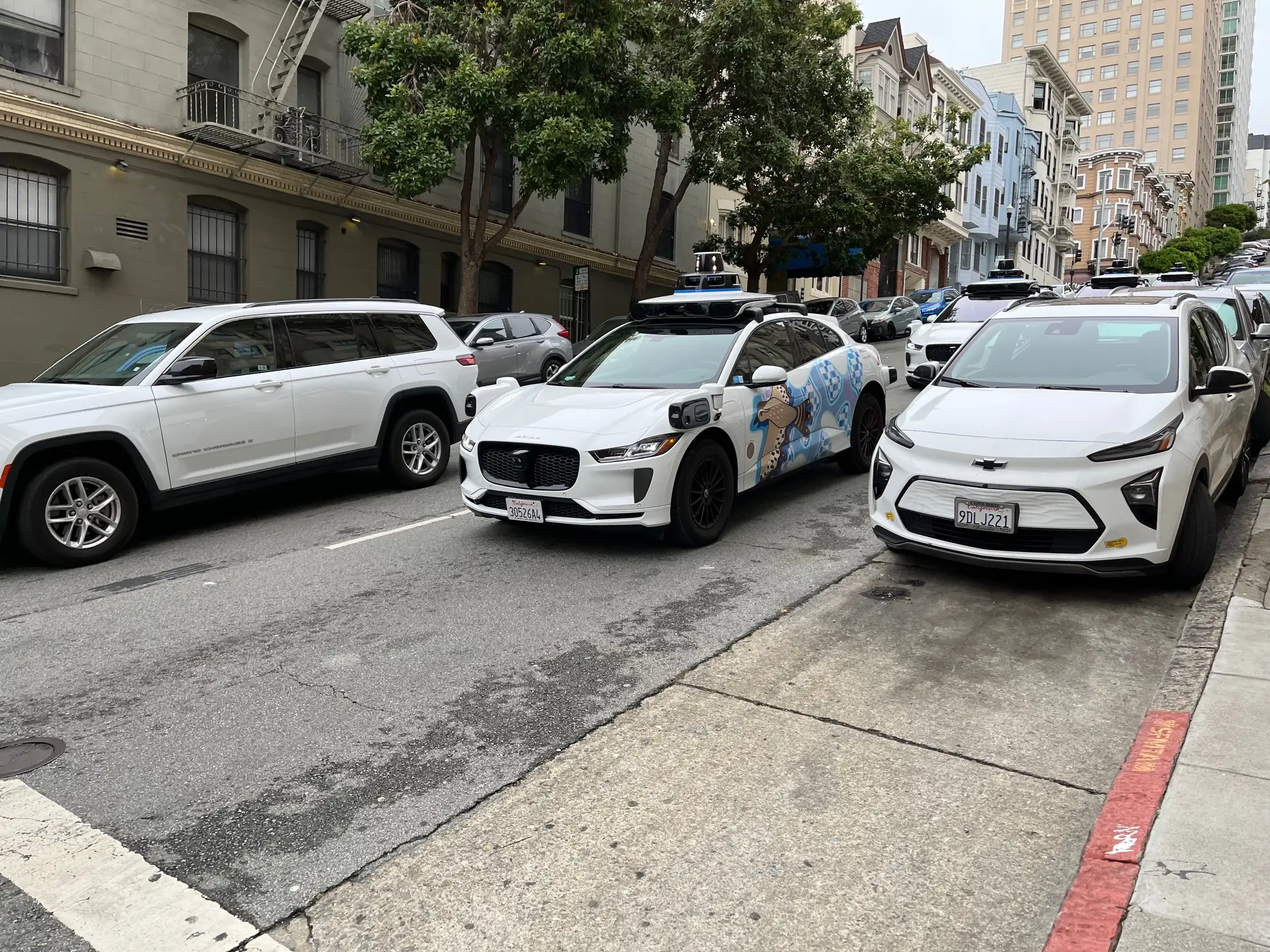
I verified that this was my car by checking the license plate number against the one on-screen in the Waymo app. My initials were also visible on the console that was on the roof.
Three other Waymo-run cars were stopped behind it.
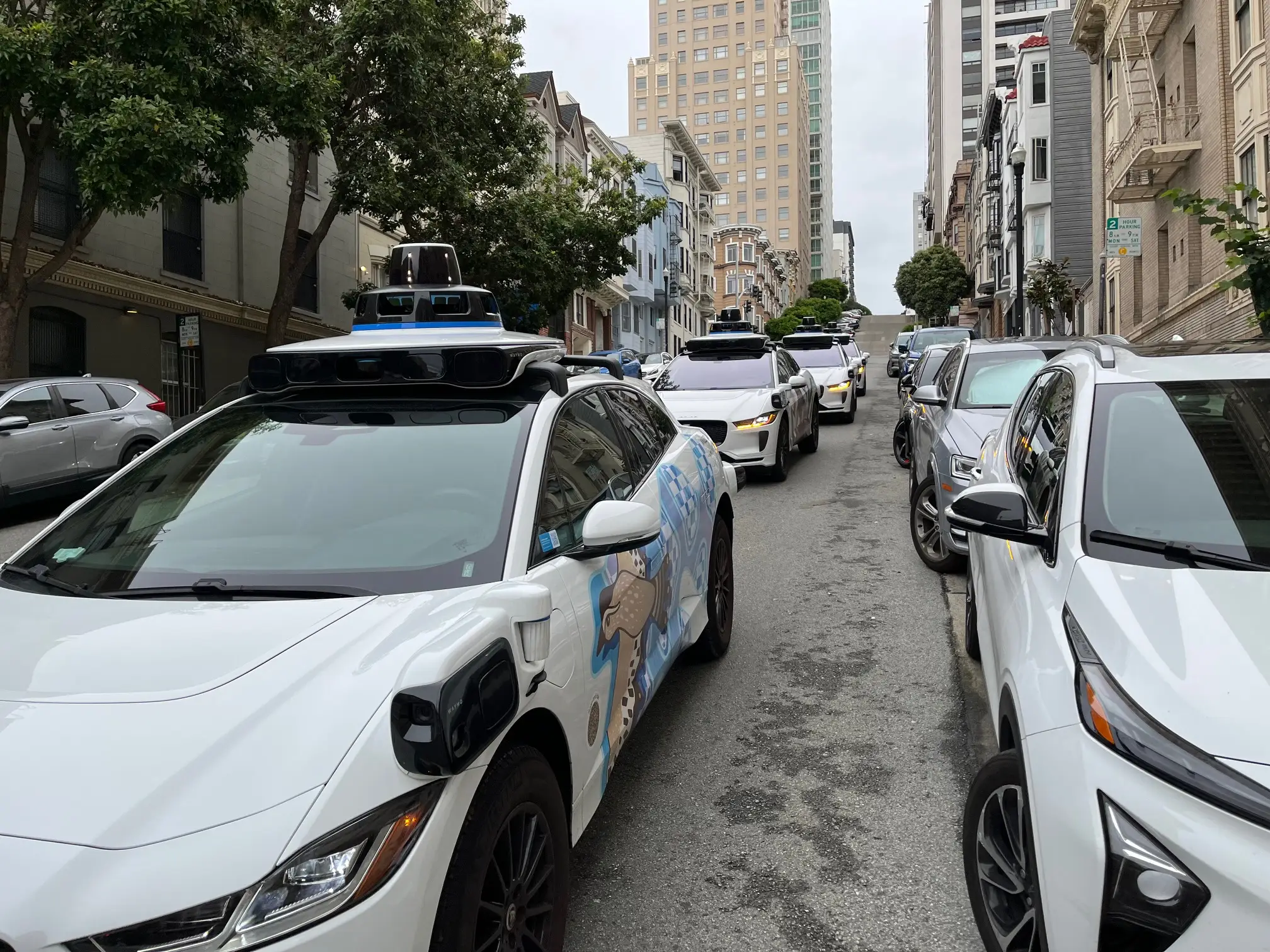
The street where my car stopped wasn’t as busy as the one I waited on, which might explain why it was there.
I found it funny that there were three other Waymo cars stopped behind it.
I threw my bags in the trunk, got in the car, and started my trip.
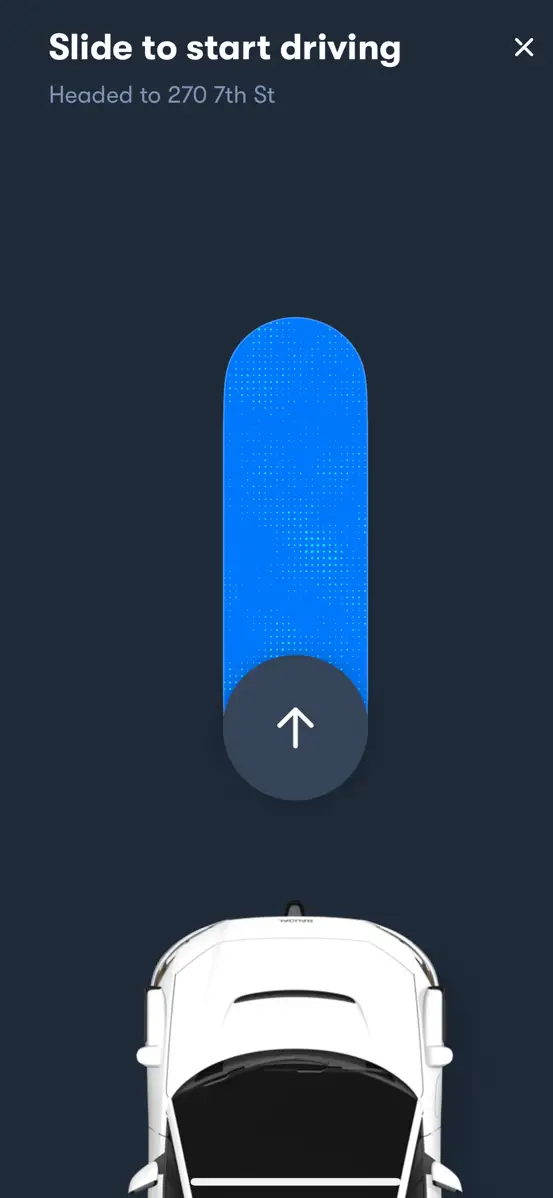
I had to slide this button forward in the Waymo app to indicate I was ready to leave.
A safety video played as the car pulled away.
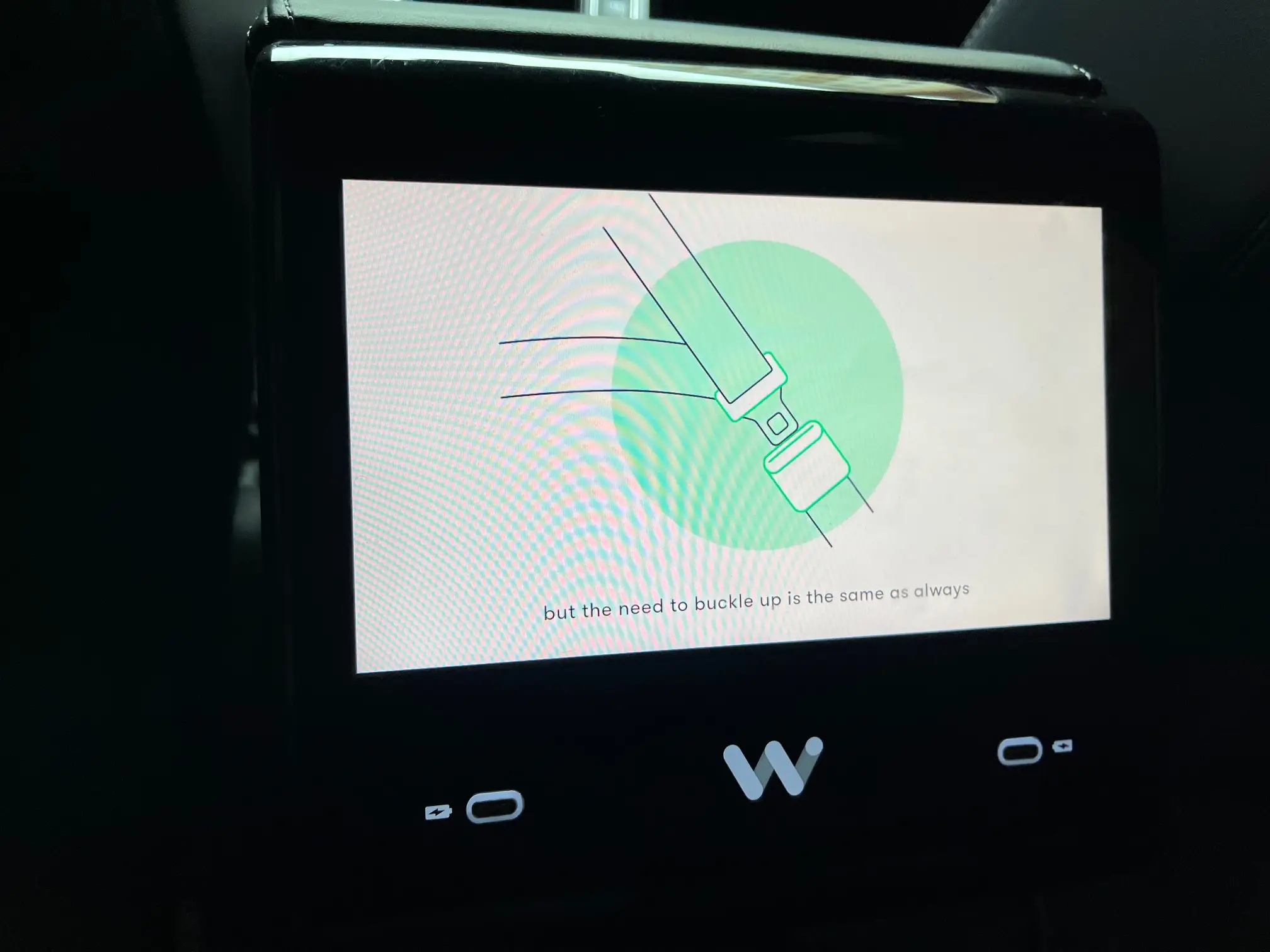
Sitting in the back of the electric Jaguar I-Pace, I noticed a screen on the console between the two front seats.
As the car began to move, a safety video started playing. It reminded me to buckle my seatbelt and said that I shouldn’t touch the steering wheel or the pedals. It almost felt like boarding a plane.
Being in a car without a human driver wasn’t as creepy as I expected.
Some people I know swear that they’ll never get in one of these cars because no one is behind the wheel. I didn’t find it that strange, in part because I was traveling along city streets at low speeds.
Still, I couldn’t help but take a video of the empty driver’s seat, especially as the car made a turn and the wheel rotated without anyone present.
The screens in the Waymo showed some of the process behind the company’s self-driving tech.
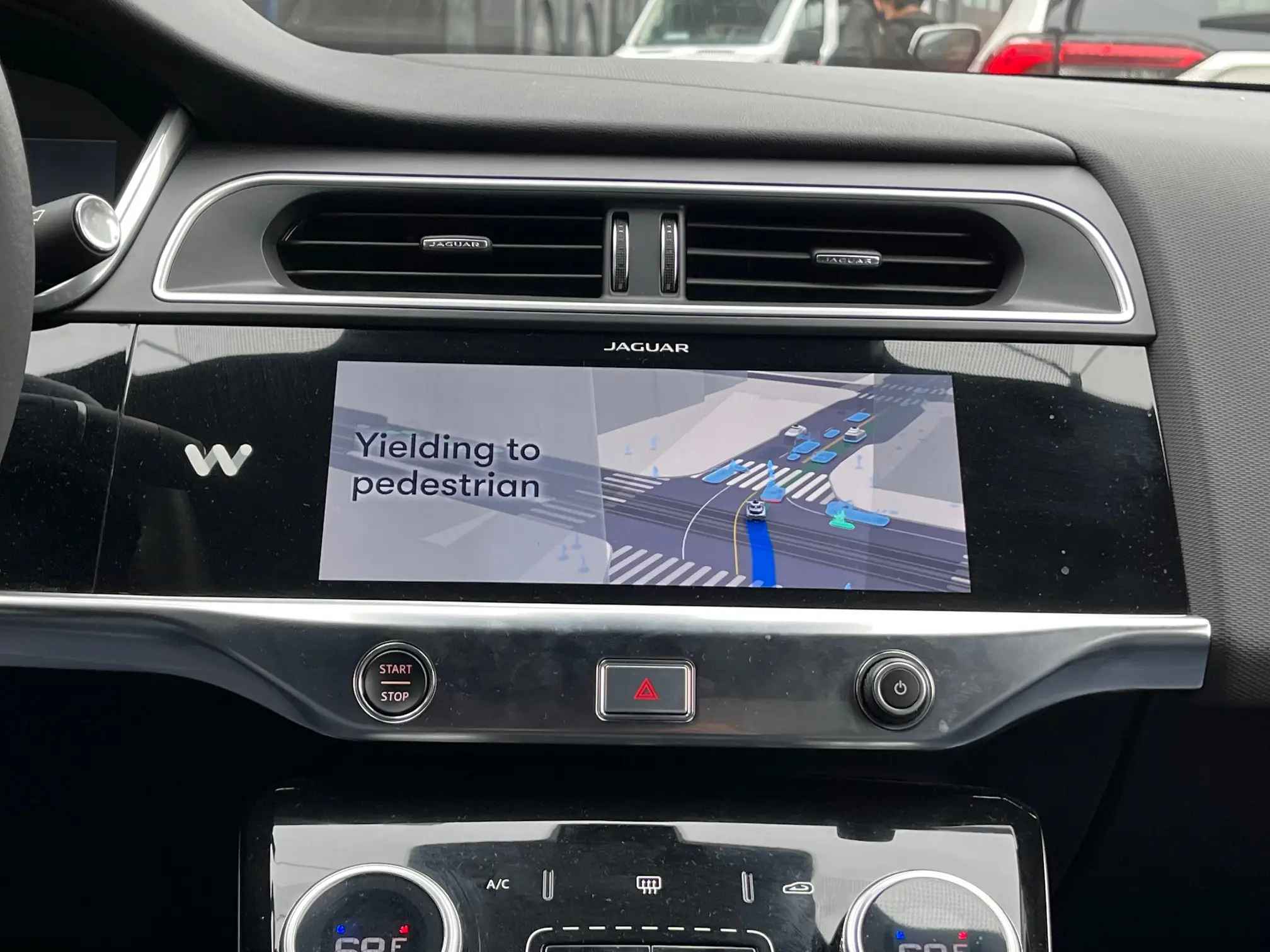
At one point, the car came to a stop in the middle of an intersection.
As I tried to look ahead and see what was happening, I noticed that the screen in the front of the car laid out the situation for me: Someone was crossing the street one vehicle ahead, and the car I was in had noticed and stopped.
I could adjust the music, air conditioning, and other aspects of the ride through this screen.
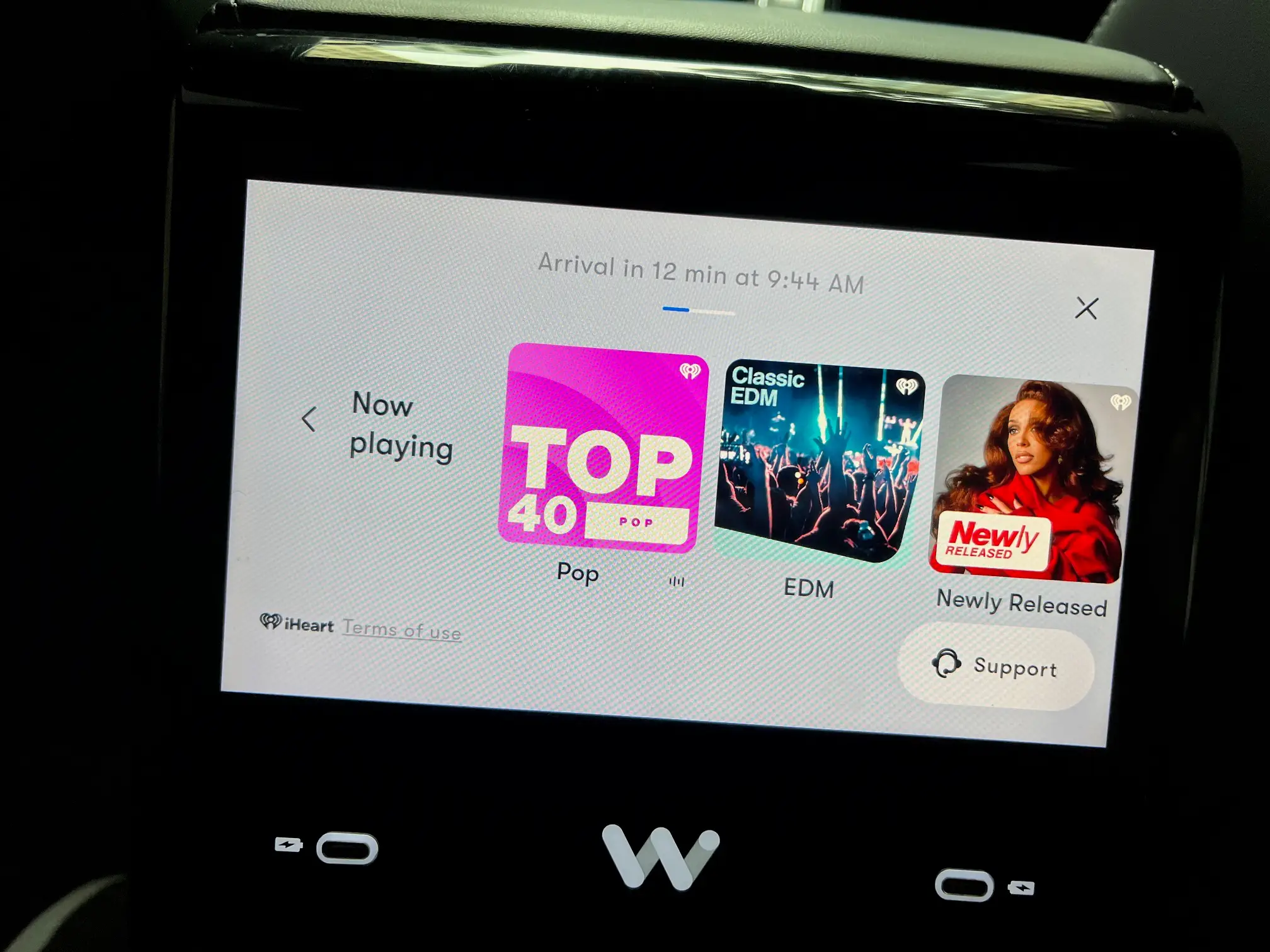
The screen between the front seats also allowed me to call support if there was an issue.
I arrived at my destination on time.
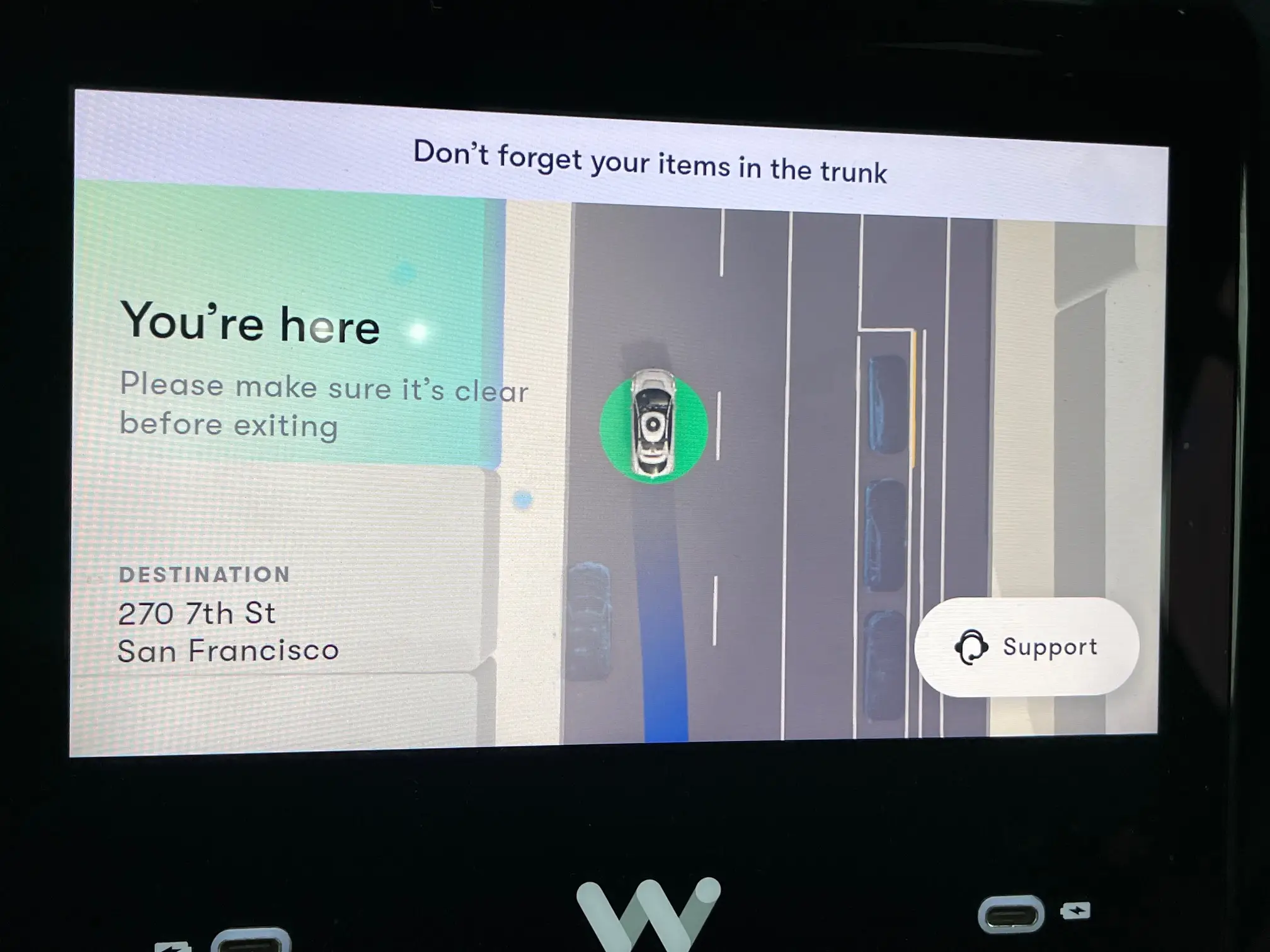
Fortunately, my destination was on a less-busy street than the one where I hailed the car, so it was able to pull up directly in front of my destination.
I grabbed my bags from the back and headed to my meeting.
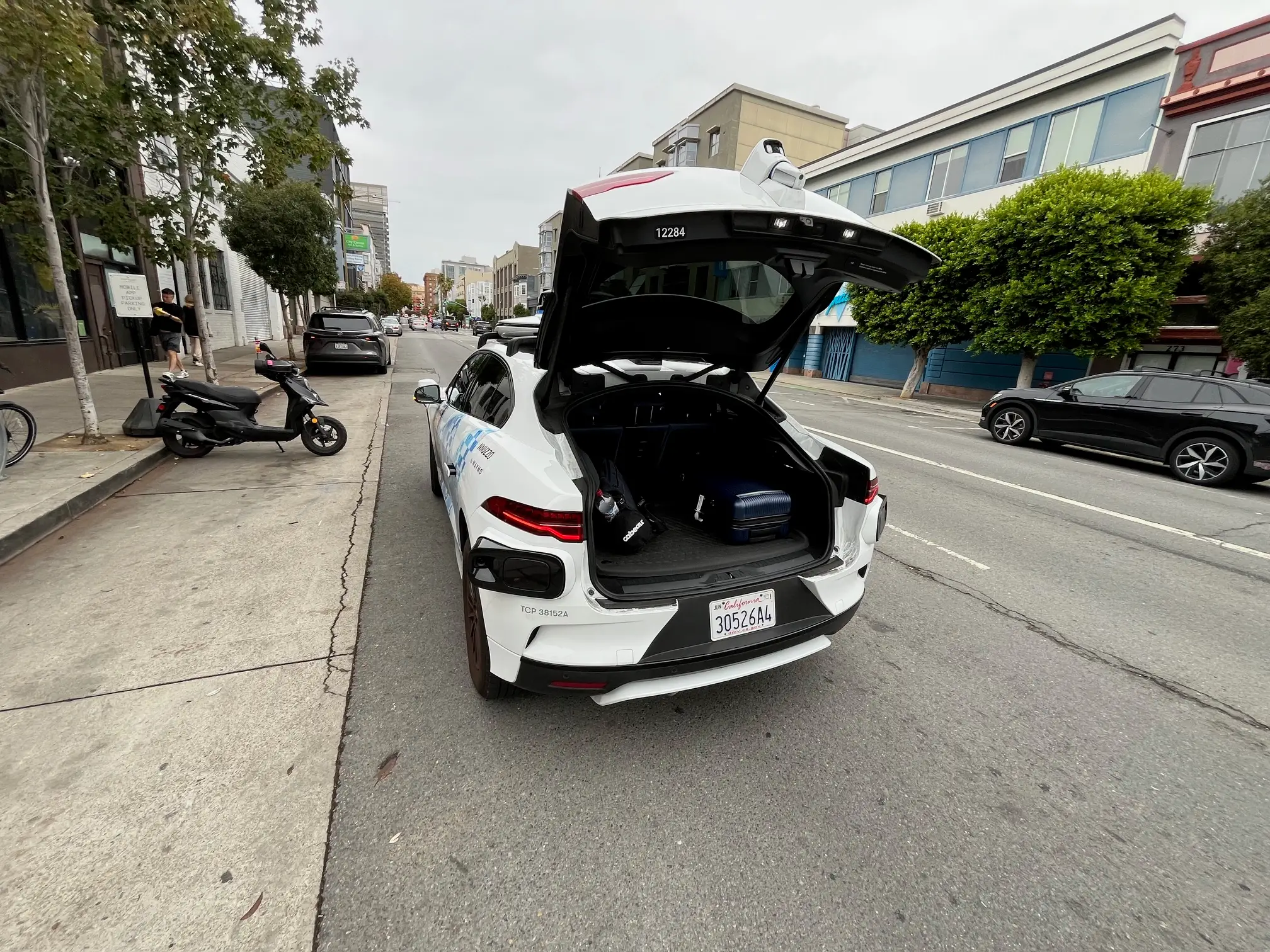
As I got out, the Waymo app prompted me to leave a review and offered walking directions to my destination (which I didn’t need, in this case).
Overall, I’d take a ride with Waymo again, but I’ll be comparing prices with Uber and Lyft.
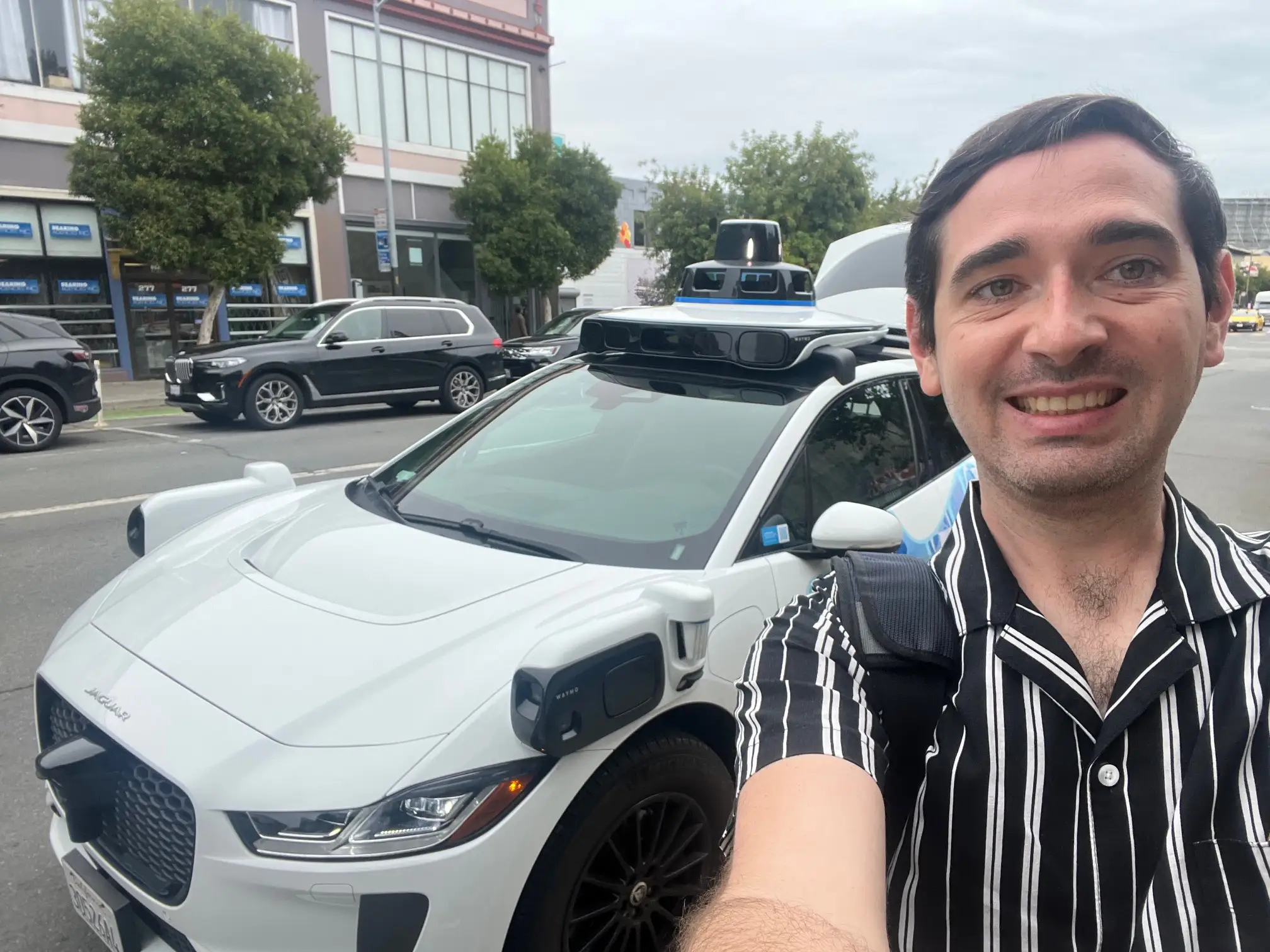
I felt safe riding in Waymo’s vehicle, and with the company’s expansion to other cities, I would consider trying it again.
But I probably won’t pay a premium to ride in a Waymo again. If Uber and Lyft are cheaper, I’d likely take a ride with one of those services.
Do you have a story to share about self-driving cars, the gig economy, or a related topic? Contact this reporter at [email protected].
Read the original article on Business Insider
The post I took my first Waymo ride as robotaxis expand to more cities. I was surprised by the price compared to Uber and Lyft. appeared first on Business Insider.