Airbus has confirmed that its fleets are resuming normal operations after an abrupt safety issue disrupted thousands of flights over Thanksgiving weekend.
The European aerospace giant issued an unprecedented global recall after an urgent software error forced it to ground about 6,000 A320 jets—more than half of its entire international fleet.
The alert was apparently prompted by an incident on board a JetBlue flight from Cancun to New Jersey in October, when the A320’s altitude plummeted from 35,000 to just 10,000 feet, causing multiple injuries and forcing an emergency landing in Florida.
Airbus subsequently identified more than 6,000 planes vulnerable to a software glitch and ordered all affected craft to remain grounded until the issue was resolved, in the middle of the busy Thanksgiving rush.
Shares in Airbus tumbled 4 percent following the announcement. They dipped a further 6 percent this week after a Reuters report revealed the company had identified a separate quality-control issue affecting a “limited number” of metal panels on its A320 fleet, one of the most widely used passenger jets in the world.
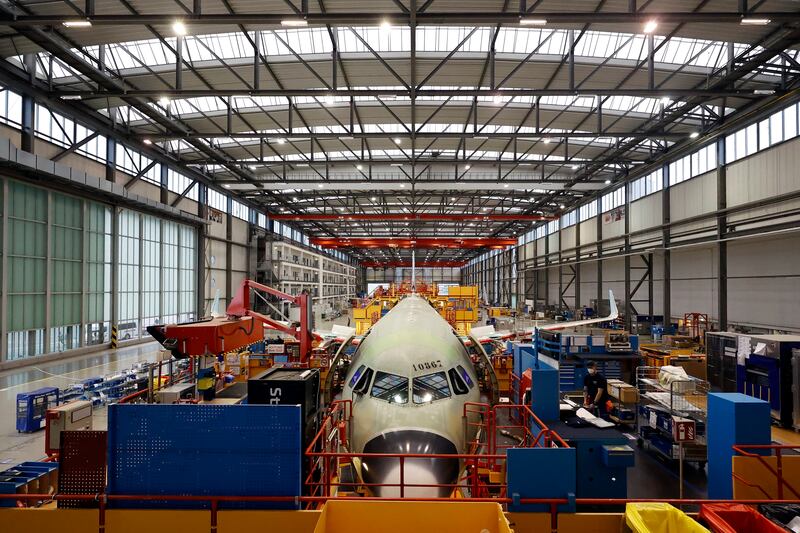
But by Monday, Airbus announced the “vast majority” of the necessary software fixes were complete, with fewer than 100 aircraft still awaiting the update.
Major carriers, including WizzAir and easyJet, also reported completing the updates over the weekend without any cancellations or significant disruptions to their fleets. JetBlue said it expects to return about 137 of its 150 affected planes to service on Monday, although the airline said about 20 flights will need to be canceled while repairs are underway.
The weekend’s software recall, the largest in Airbus’ 55-year history, marked a significant test for the manufacturer, with the company’s measured response seen by many as a response to the raft of safety issues that have plagued rival Boeing, the subject of fierce criticism and lawsuits over multiple fatal crashes caused by similar in-flight safety issues.
An Airbus spokesperson told The Guardian, “Airbus is taking a conservative approach and is inspecting all aircraft potentially impacted, knowing that only a portion of them will need further action to be taken.
“The source of the issue has been identified, contained, and all newly produced panels conform to all requirements,” the spokesperson added.
“Is Airbus acting with the Boeing MAX crisis in mind? Absolutely — every company in the aviation sector is,” Ronn Torossian, chairman of 5W Public Relations, told Reuters.
“Boeing paid the reputational price for hesitation and opacity,” he added. “Airbus clearly wants to show… a willingness to say, ‘We could have done better.’ That resonates with regulators, customers, and the flying public.”
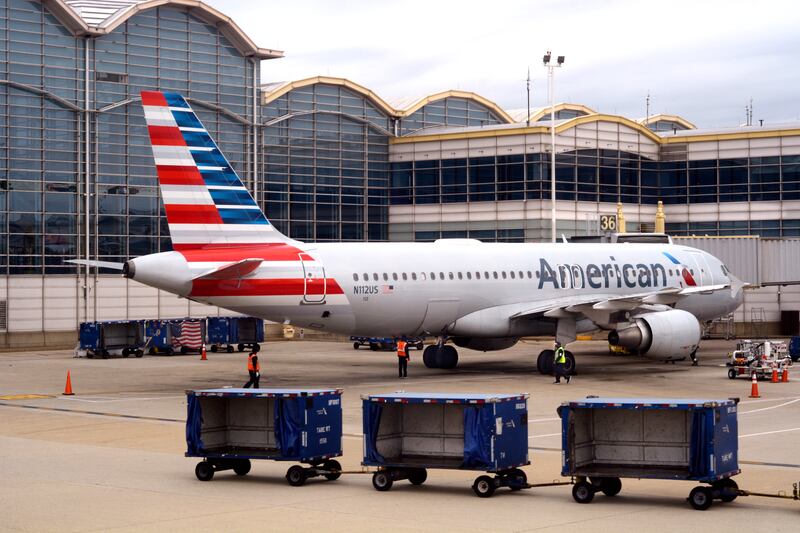
Despite the transparency, the fix could be more complex than Airbus is letting on. Due to a global shortage of computer chips, older A320s that require more substantial hardware fixes rather than a simple software update could be taken out of service indefinitely until supply chain issues are resolved.
“For some older aircraft, about 900 planes, the fix will require a hardware change before they can fly again, which could take several weeks due to limited supplies,” Aarin Chiekrie, equity analyst at investment firm Hargreaves Lansdown, told The Guardian.
The post Airbus Races to Fix Thousands of Planes Amid Travel Chaos appeared first on The Daily Beast.