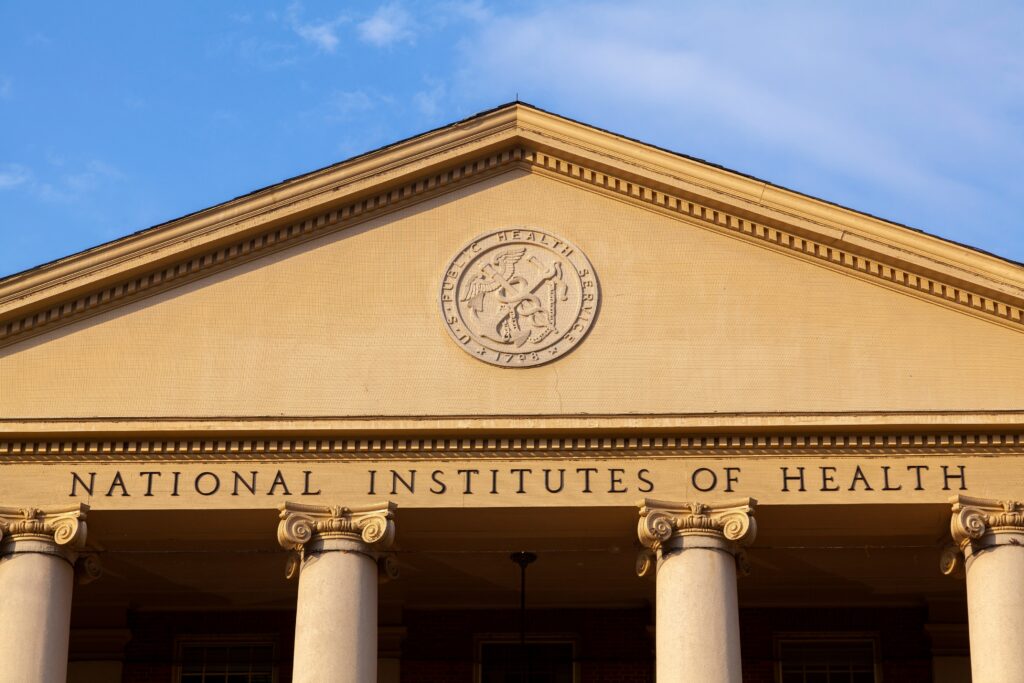
The Trump administration quietly conceded defeat last week on its misguided push to slash research funding from the National Institutes of Health. That’s a relief to researchers, but all Americans benefit from the basic and applied research that would have been disrupted by permanent cuts.
The saga began last February, when the U.S. DOGE Service announced it would cap payments for the “indirect costs” of research at 15 percent. Elon Musk, then leading the cost-cutting initiative, described such spending as a “ripoff” that allowed wealthy universities to nab huge amounts of money from the government to cover overhead.
Musk attempted to solve a real problem with a sledgehammer. The NIH has long negotiated with research institutions to provide additional funds on top of their grants. The money pays for a range of needs, such as ethics reviews, equipment and energy costs for research facilities. Those costs typically have fallen somewhere between 30 and 70 percent of the original grant. For instance, a $100,000 grant that negotiates a 50 percent reimbursement for indirect costs would receive a total of $150,000.
Such spending has been inching upward for years, and the arrangement tends to benefit larger schools with well-established research programs. But capping those indirect costs at 15 percent — without any warning — created a financial nightmare for schools that needed the money to keep the lights on in their labs.
The private economy could pick up some of the slack, but some research simply can’t attract investment outside of the federal government. And federal support for basic and applied scientific research has delivered a higher return on investment than almost anything else the government does.
Cutting the funding that dramatically and quickly would have undermined the broader economy, since NIH grants have proven to be powerful kindling for innovation. Many discoveries have led to treatments for cancer, infectious diseases, Parkinson’s disease and more. One study estimates that, in just one decade, NIH projects worth $187 billion produced more than 22,000 patents.
The DOGE cuts also ignored the explicit will of Congress. In 2018, after the first Trump administration proposed similar NIH cuts, the legislative branch rejected the proposal and prohibited any attempt to “implement a modified approach” to indirect costs.
Despite its defeat in court, the administration has not yet given up on its mission to cut research spending. Last week, it proposed cutting $5 billion from the NIH’s budget. Last August, President Donald Trump issued an executive order attempting to limit indirect costs, such as by giving preference to institutions with lower rates.
There is room to improve how the government doles out research funding, perhaps by implementing a tiered system of flat rates to avoid endlessly ballooning overhead. Higher expenses do not automatically lead to more or better discoveries, and it’s worth encouraging research institutions to keep a lid on costs. But it’s one thing to tweak distribution formulas and something else entirely to throttle America’s scientific engine.
The post A deserved defeat on NIH funding cuts appeared first on Washington Post.