The Supreme Court’s decision to invalidate the Trump administration’s broad tariffs strips the president of a central instrument of his foreign policy, undercutting his ability to coerce global leaders and reshape world order in his second term.
President Donald Trump and his aides have celebrated his tariffs as a foreign policy innovation, wielding the import taxes to extract concessions from other governments on issues that extend far beyond traditional trade negotiations. In the first week of his presidency, Trump threatened to impose 25 percent tariffs on all Colombian goods to pressure Bogotá to accept two deportation flights that Colombian President Gustavo Petro initially turned away.
Since then, he has threatened tariffs to advance his foreign policy goals in disputes over Greenland, Gaza and an influx of fentanyl from China. In a news conference Friday, Trump said that he had used tariffs to settle five of the eight wars that he has claimed credit for ending, including a 10-day conflict between India and Pakistan.
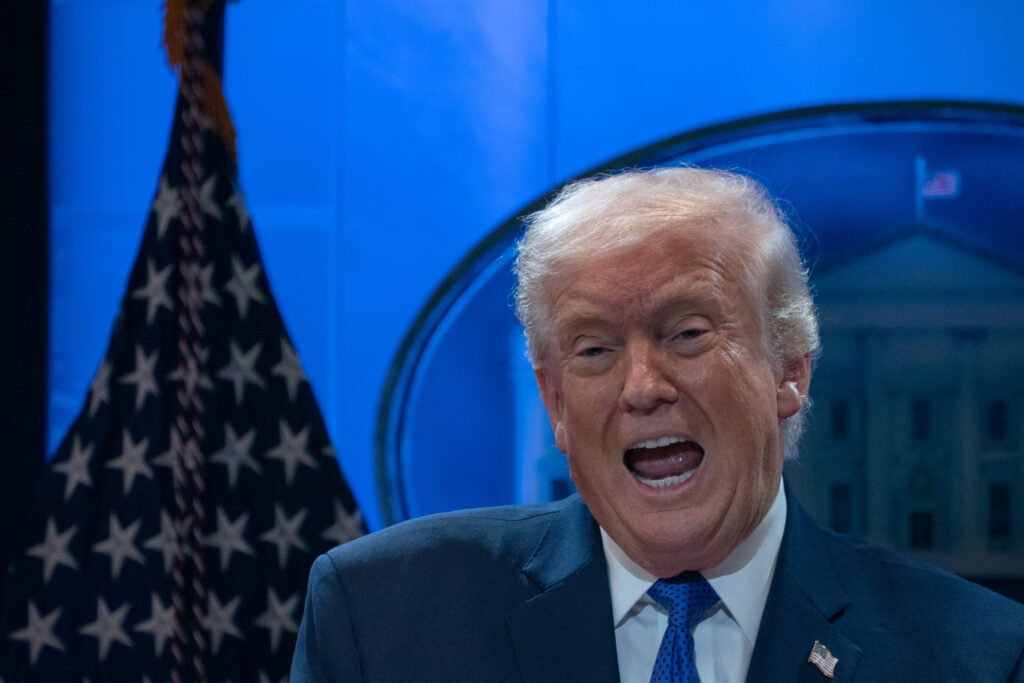
“They were getting ready to do some bad things, but they’ve given us great national security, these tariffs have,” Trump said, while standing under purple lighting in the White House briefing room.
In anticipation of the ruling, White House officials acknowledged that losing would be a psychological and rhetorical defeat for one of Trump’s signature initiatives. At the same time, they said, the ruling would remove an unpopular and divisive issue within Trump’s coalition and reassure investors and businesses concerned that the tariffs contribute to inflation — a potential political gift.
Trump opted not to take that off-ramp on Friday. Instead, he announced an immediate 10 percent global tariff under a different legal authority and warned that more drastic measures could follow.
“I can embargo, I can do anything I want, but I can’t charge $1,” he said. “It doesn’t matter because we have very powerful alternatives that have been approved by this decision. You know, they’ve been approved by the decision, for those that thought they had us.”
Those alternatives, however, are less flexible than the emergency power the Supreme Court struck down. One authority requires significant justification to impose. Another, never used before, expires in 150 days unless Congress extends it.
“It’s a little bit longer process,” Trump said Friday. “I thought I’d make things simple, but they didn’t let us do that.”
Despite his efforts to downplay the impact of the ruling on his authority, Trump attacked the Supreme Court justices who ruled against him as “fools and lapdogs for the [Republicans in name only] and the radical left Democrats.” He claimed without evidence that they were swayed by foreign interests and called them “unpatriotic,” escalating his attacks on the judiciary in the wake of a rare, unfavorable ruling from the nation’s highest court.
The ruling significantly restricts Trump’s ability to dial threats up and down on a whim, targeting leaders and nations that displease him or from whom he wants a quick concession.
“To threaten people with those tariffs will be much more complicated,” said a senior foreign diplomat who has worked extensively on trade negotiations with the Trump administration, speaking on the condition of anonymity to discuss sensitive negotiations that could prompt retaliation by the White House.
The diplomat said that tariffs were likely to still pose a major threat to trade with the United States, even if Trump won’t be able to tailor them as easily as leverage for non-trade-related demands.
“By now, we’ve all learned that the guy is viciously creative,” the diplomat said.
Trump learned about the Supreme Court of the decision when an aide passed him a note during a meeting with governors. He called the ruling a disgrace and ended the meeting about 10 minutes later, according to a person briefed.
Trump frequently says that “tariffs” is his favorite word, touting the import taxes as a tool to boost American manufacturing, reduce reliance on foreign imports, generate government revenue and strengthen his negotiating power abroad.
“If the Supreme Court rules against the United States of America on this National Security bonanza, WE’RE SCREWED!” Trump wrote on Truth Social last month.
The ruling is likely to have an immediate impact on at least one trade deal reached last year between the European Union and the United States that has not yet been finalized by the European Parliament. After Trump imposed broad tariffs on European goods, E.U. leaders agreed to a deal to reduce trade barriers in exchange for lower tariff rates, an arrangement some acknowledged disproportionately favored the United States.
European lawmakers said that the European Parliament was likely to delay approving the deal as they study the ruling’s implications.
Economists have challenged many of the president’s claims about tariffs, which rank among Trump’s consistently most unpopular policies. Businesses pay the tariffs when they import goods and often pass those costs on to consumers, driving up prices as affordability has emerged as a key pain point for Republicans in the midterm elections.
Americans have broadly disapproved of Trump’s handling of tariffs since he first introduced them in April. Sixty-four percent of respondents in a Washington Post-ABC News-Ipsos poll released Friday disapprove of Trump’s handling of tariffs, ratings nearly identical to April polling despite Trump’s efforts to sway public opinion on the issue.
Tariffs also emerged as one of the first issues that fractured Trump’s fraying coalition, after his April announcement of the taxes prompted wild swings in the markets. Some of the corporate titans, podcasters and even Republican lawmakers who served as Trump’s biggest boosters during the campaign publicly criticizedthe policy. A legal center funded by wealthy conservatives backedthe lawsuit against the tariffs.
The failure could further isolate Commerce Secretary Howard Lutnick, who has championed tariffs and maintained the president’s favor but irritated other advisers. Lutnick accompanied Trump to Friday’s press briefing but did not speak.
The post Trump loses favorite negotiating tool he touted to make peace and money appeared first on Washington Post.