The Milan Cortina Winter Olympics are well underway, and it might be the most that most people will hear about curling or bobsled, at least for the next four years.
For many viewers, the 2026 Olympic Games have showcased just how peculiar some winter sports can be, from the flight of ski jumping to the rigor of ski mountaineering, a new event this year.
As unfamiliar as the current lineup of winter Olympic sports might be for some, Olympic Games history reveals even more unusual showcases, like skiers riding behind horses or performing their ballet moves on the snow.
Prior to the 1992 Games, the events featured what were known as “demonstration events” where athletes showed off their abilities in a discipline without being awarded official Olympic medals — often to celebrate regionally popular sports in the host country or to test the appeal of more experimental disciplines.
These eight sports were among the most unusual demonstrations ever held at the Winter Olympics, with some serving as official medal events while others remained only as demonstration sports.
Military patrol
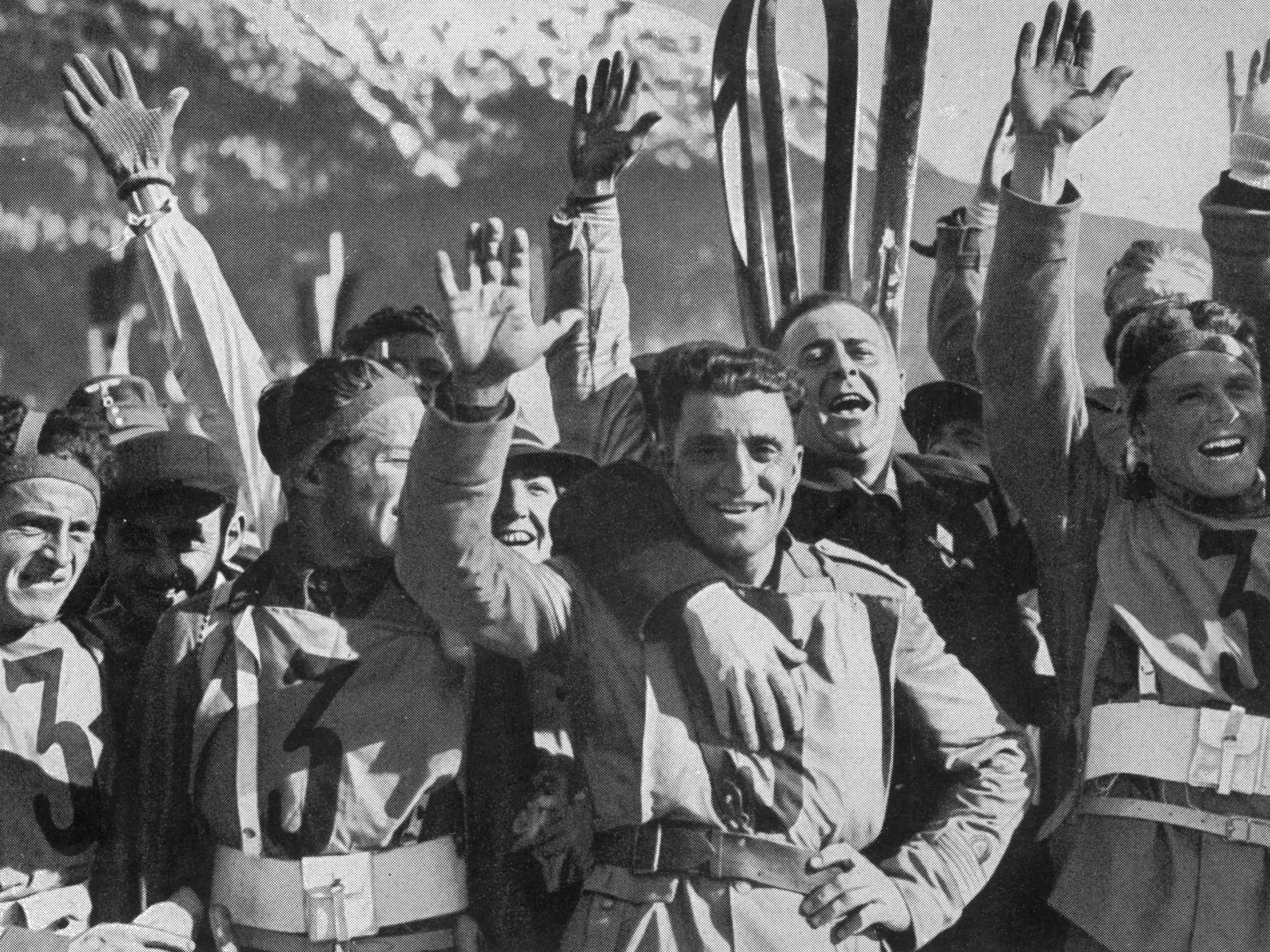
Years: 1924 as an official medal event; 1928, 1936, and 1948 as a demonstration sport.
Military patrol combined cross-country skiing with rifle shooting in a team event modeled after alpine military exercises.
Four-man units, typically active-duty soldiers from each country, skied long distances over mountainous terrain, stopping periodically for rifle shooting tests that could add time penalties.
As the Games moved toward standardized international competition, military patrol was gradually refined into the modern biathlon sport, which debuted as an official Olympic sport in 1960.
Winter pentathlon
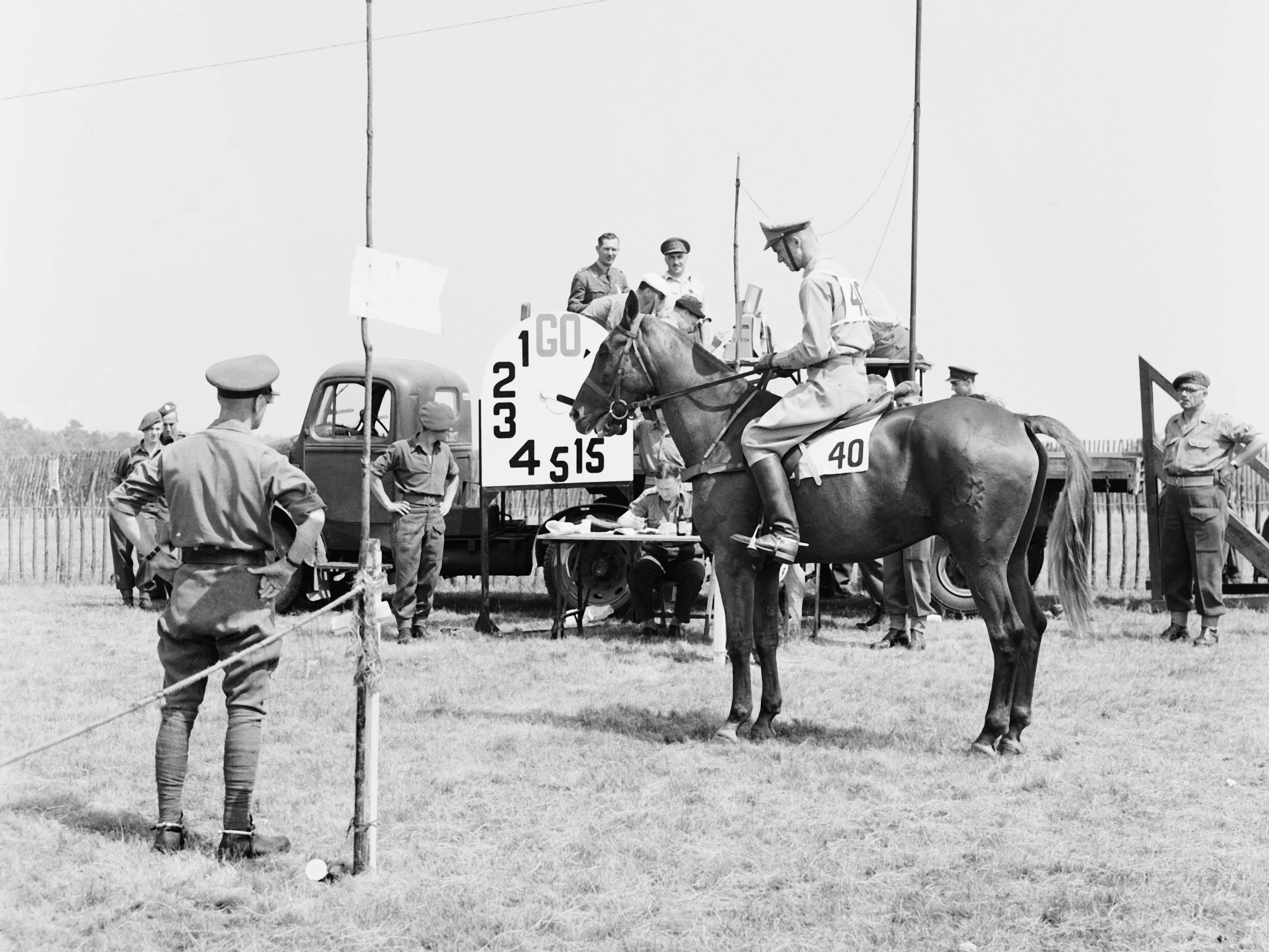
Years: 1948, as an official medal event
Introduced at the 1948 St. Moritz Games, the winter pentathlon combined five disciplines: cross-country skiing, downhill skiing, shooting, fencing, and horse riding.
The format mirrored the modern pentathlon’s test of versatility, and asked athletes to demonstrate endurance, speed, precision, and tactical skill across snow and ice.
The event attracted limited international participation and was never held again.
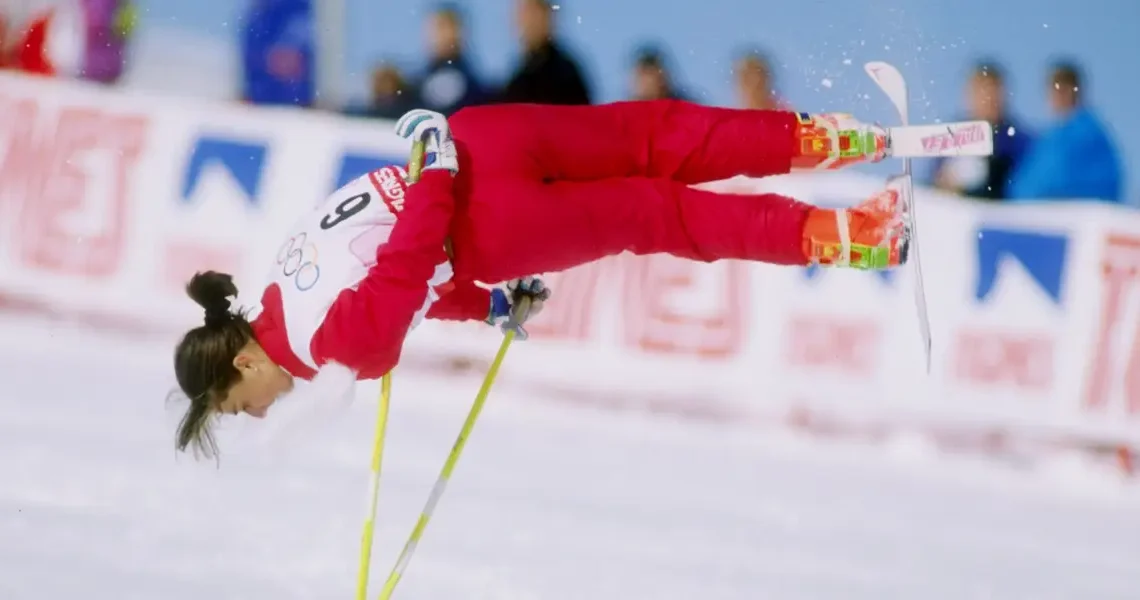
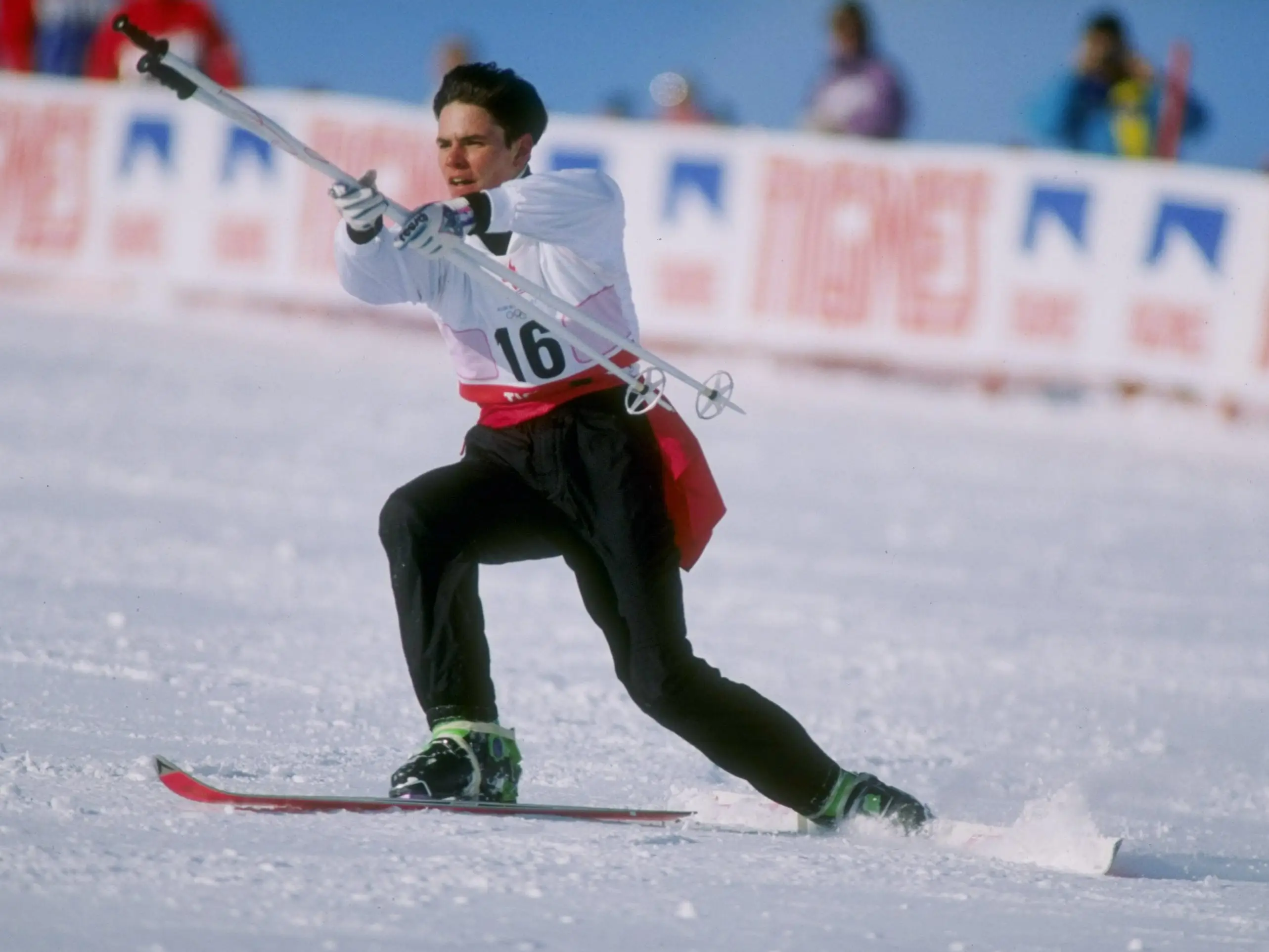
Ski ballet (acroski)
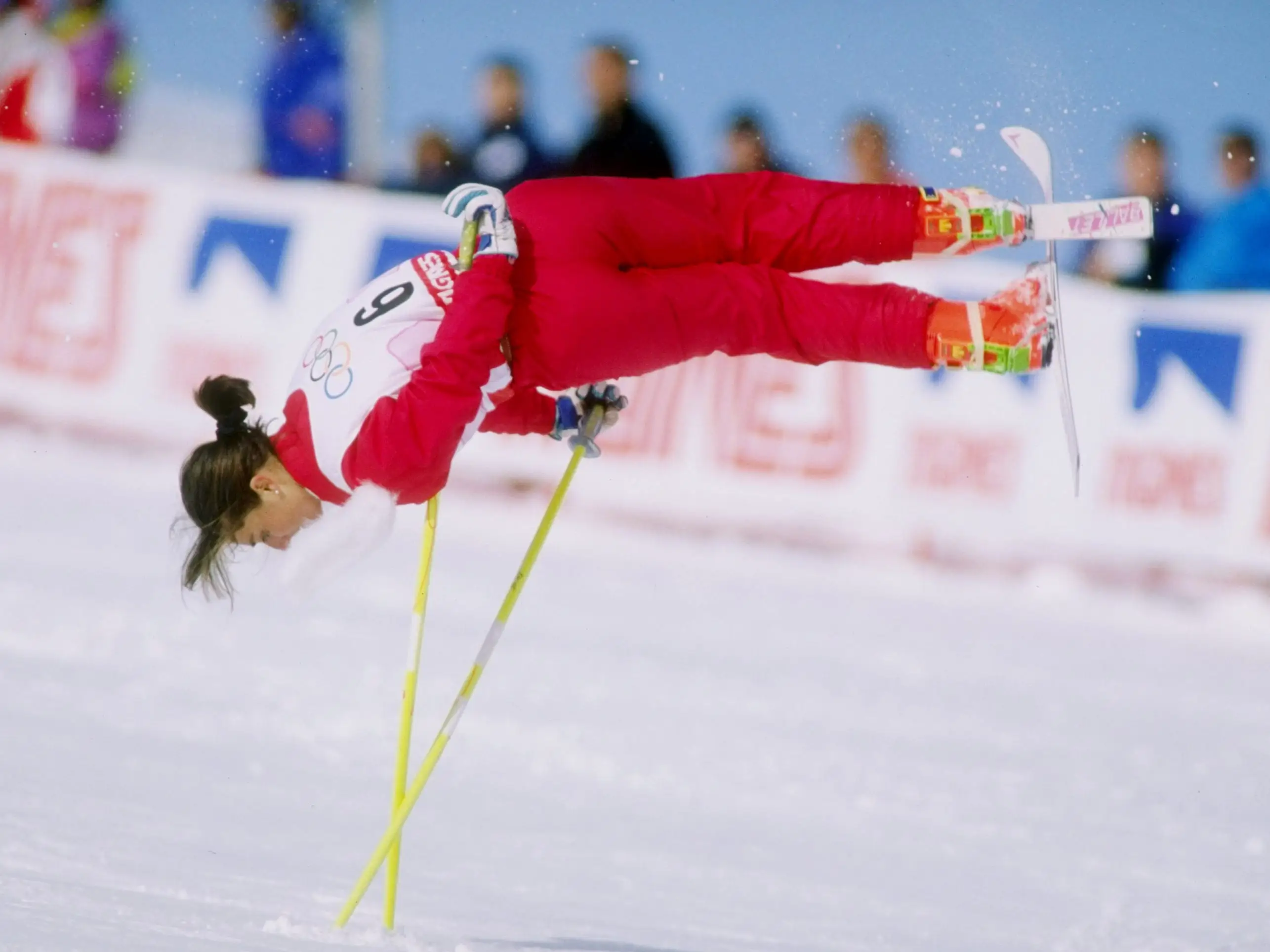
Years: 1988 and 1992 as a demonstration sport
Ski ballet, later known as acroski, featured choreographed routines performed on gentle slopes to music, blending spins, jumps, and intricate footwork.
Judges scored athletes on technical precision and artistic expression, much as in figure skating.
While moguls and aerials — which were other disciplines within the broader freestyle skiing category — evolved into medal sports, ski ballet was dropped after 1992.
Speed skiing
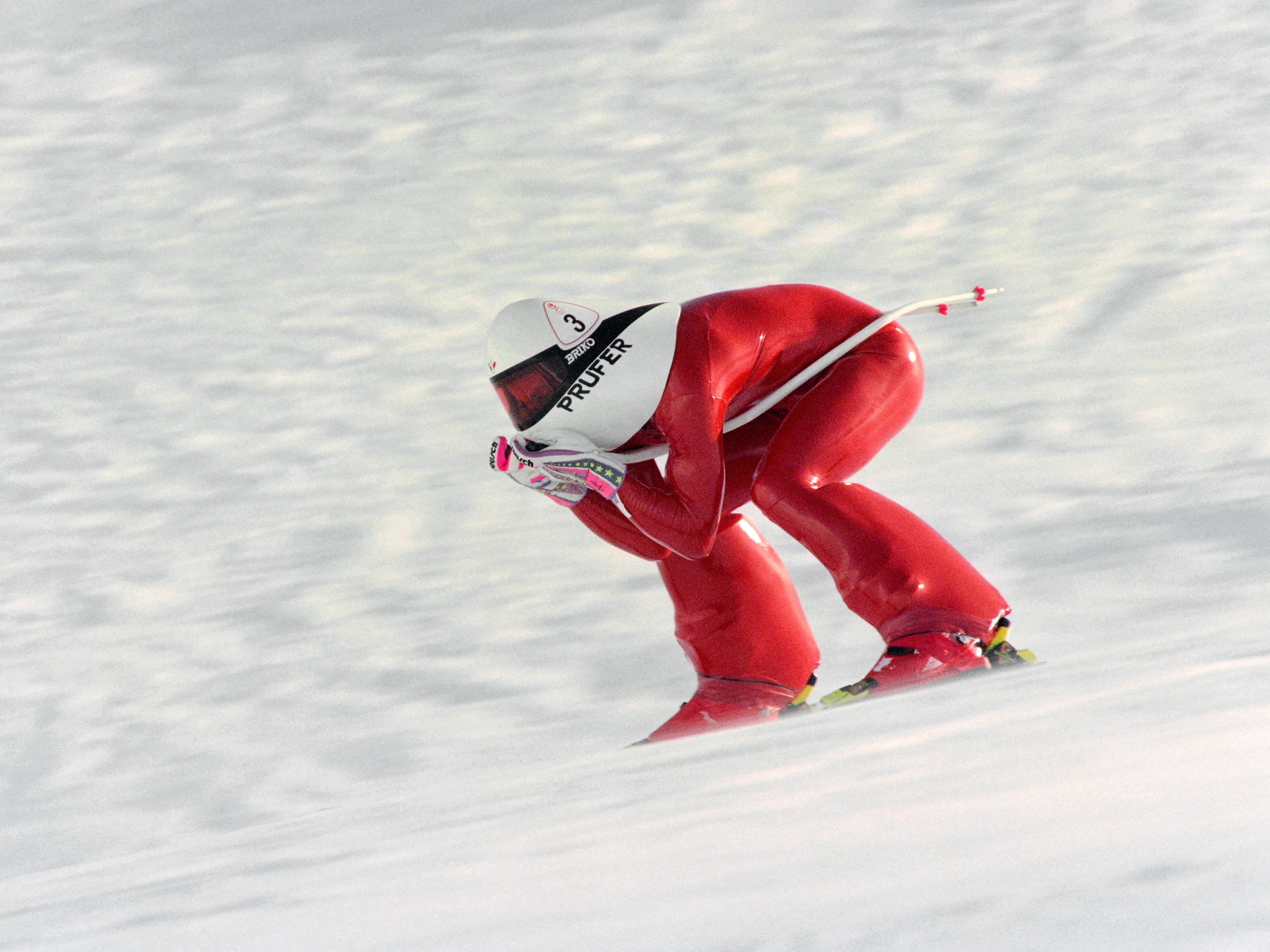
Years: 1992 as a demonstration sport
Speed skiing was a pure test of velocity on snow showcased at the 1992 Albertville Games, with athletes descending a steep, straight course in a tight aerodynamic tuck while reaching speeds of up to 130 mph.
Concerns about safety, along with its narrow competitive format compared with other alpine disciplines, kept it from becoming a permanent Olympic event.
Skijoring behind horses
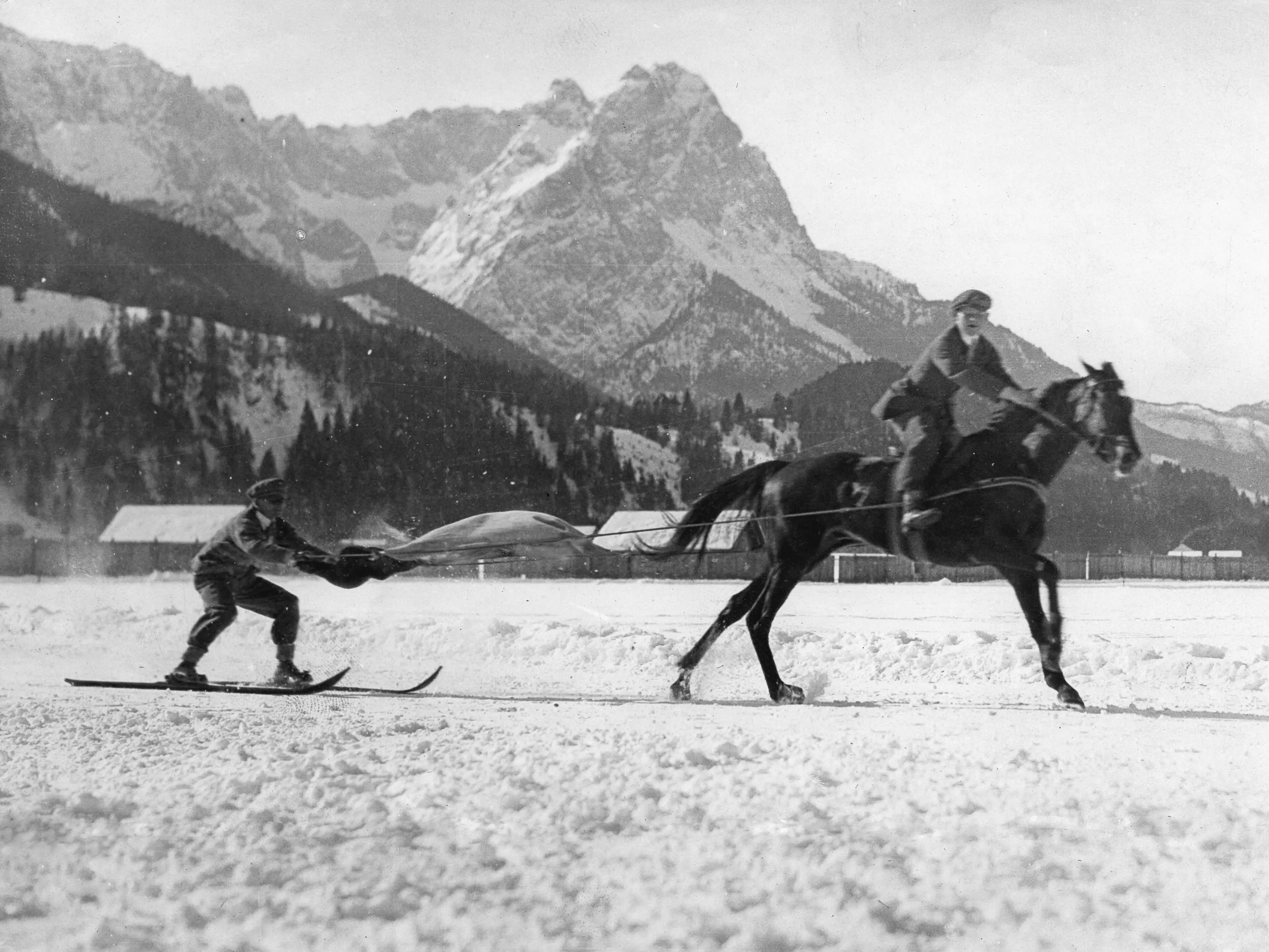
Years: 1928 as a demonstration sport
Unlike modern versions that use harnessed riders, the Olympic exhibition of skijoring at the 1928 St. Moritz Games involved a mounted jockey guiding galloping horses across a frozen lake while a skier held on behind.
The spectacle, which reflected Alpine winter traditions, drew large crowds, but the sport was seen as more of a novelty exhibition than a standardized international competition and was never added to the official program.
Dog sled racing
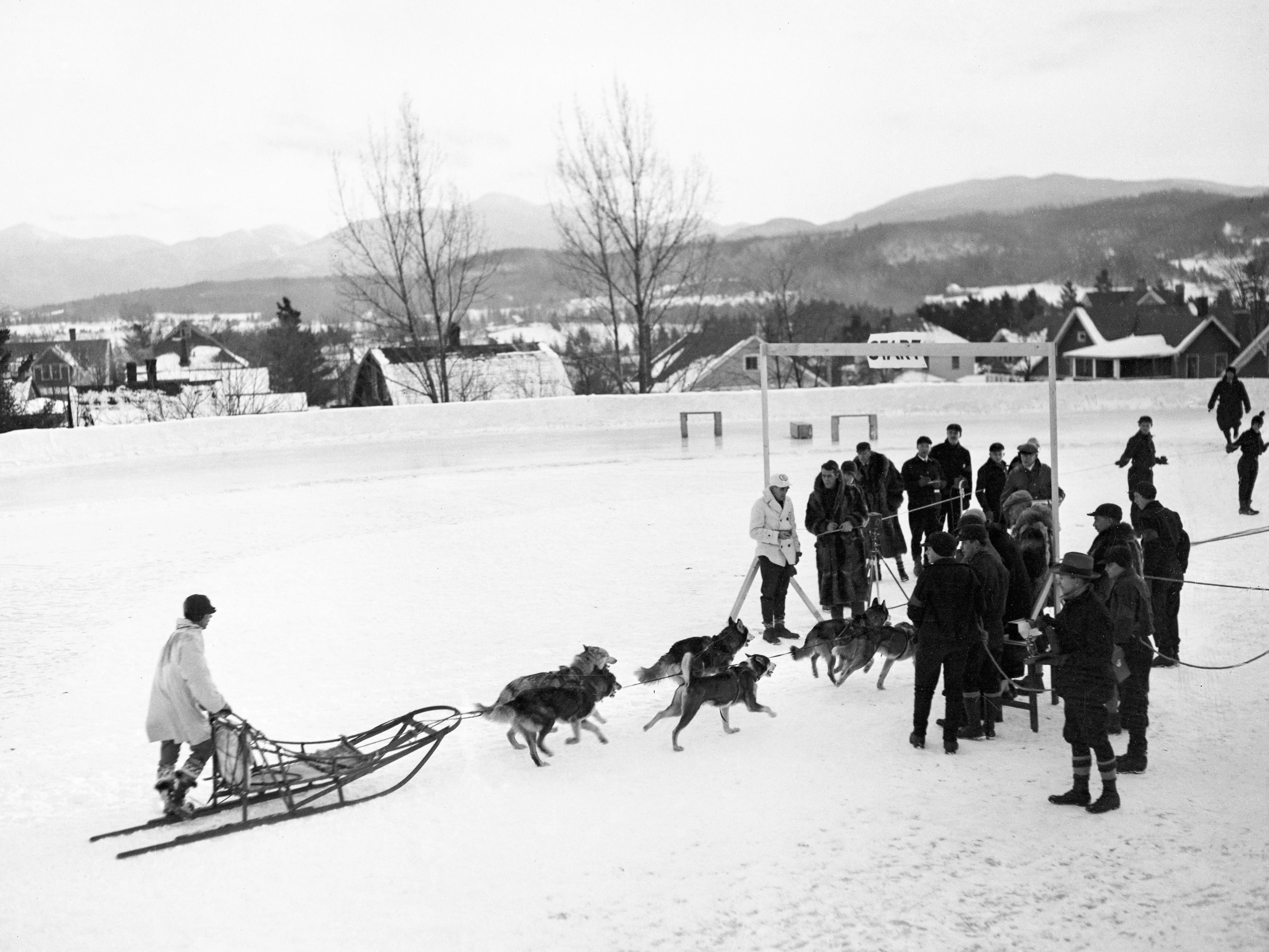
Years: 1932 as a demonstration sport
Dog sled racing debuted as a demonstration event at the 1932 Lake Placid Games. The event showcased teams of sled dogs pulling mushers over snowy endurance courses.
Its inclusion highlighted winter culture in the host region, but limited international participation at the time kept it from gaining full Olympic status.
Bandy
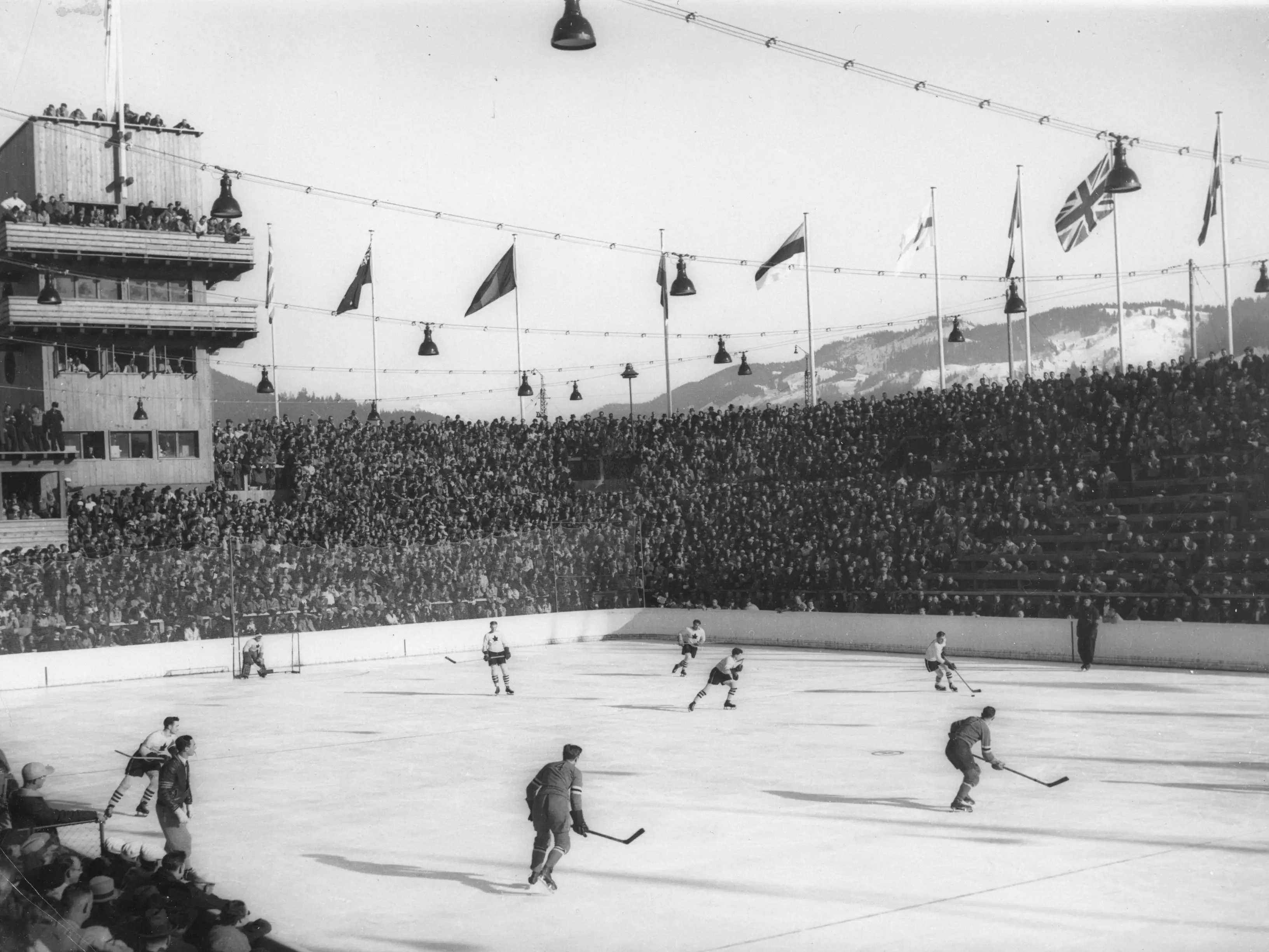
Years: 1952 as a demonstration sport
Bandy is a hockey-like team sport played on a large ice field roughly the size of a soccer pitch. Players use curved sticks to move a ball rather than a puck.
Originating in northern Europe, it predates modern ice hockey and emphasizes passing and field positioning.
The sport was showcased at the 1952 Oslo Games, although its strong regional concentration, particularly in Scandinavia and parts of the Soviet Union, limited its expansion into a full Olympic event.
Ice stock sport
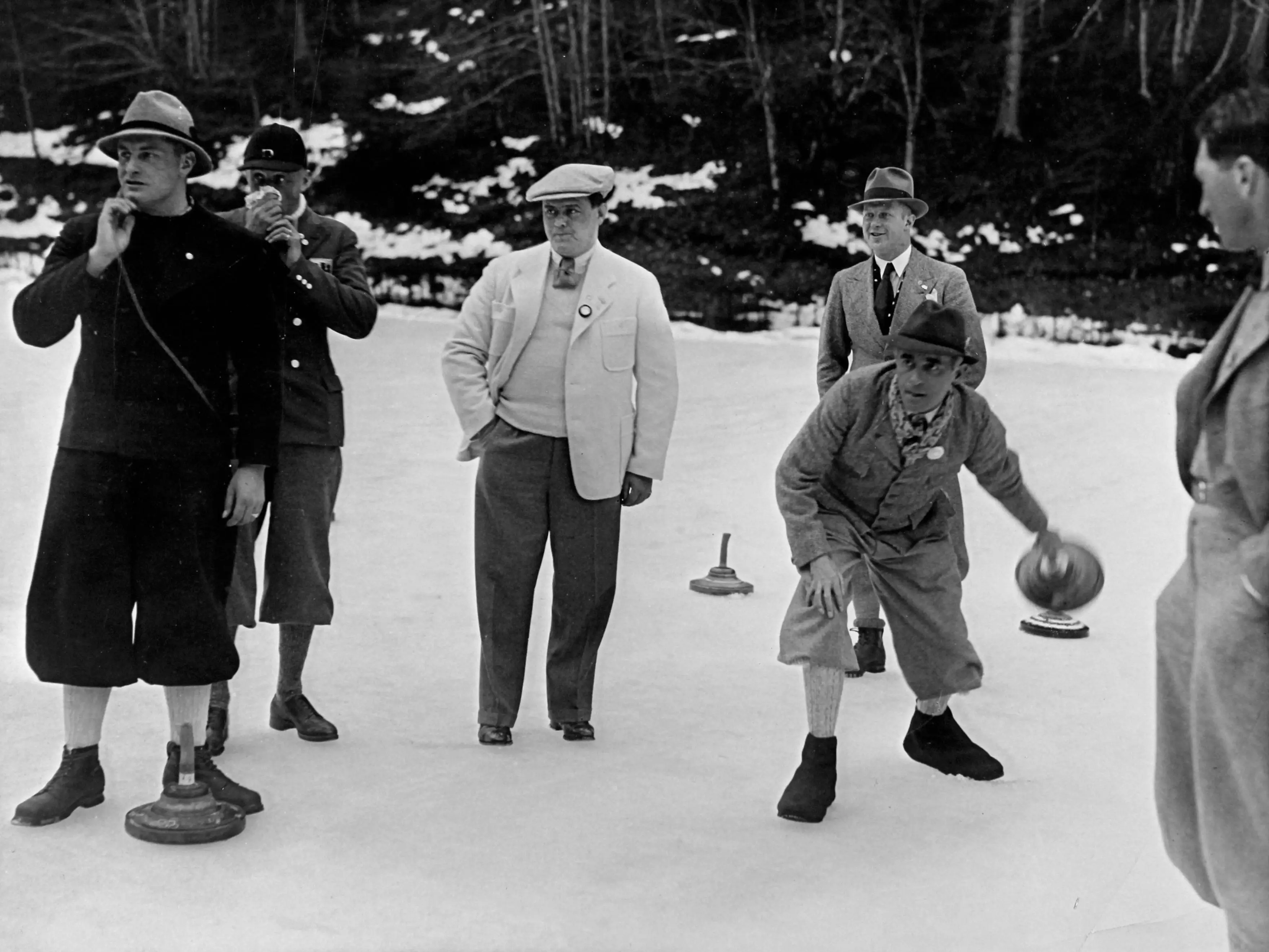
Years: 1936 and 1964 as a demonstration sport
Ice stock sport, often compared to curling, involves sliding heavy stocks across ice toward a target with the aim of precision placement.
The sport is popular in Alpine countries such as Austria and Germany, and it was featured twice at the Olympics as a demonstration event.
Its close resemblance to curling and concentrated geographic relevance prevented it from being added permanently to the Olympic lineup.
Read the original article on Business Insider
The post The 8 most surprising Winter Olympic sports in history appeared first on Business Insider.