
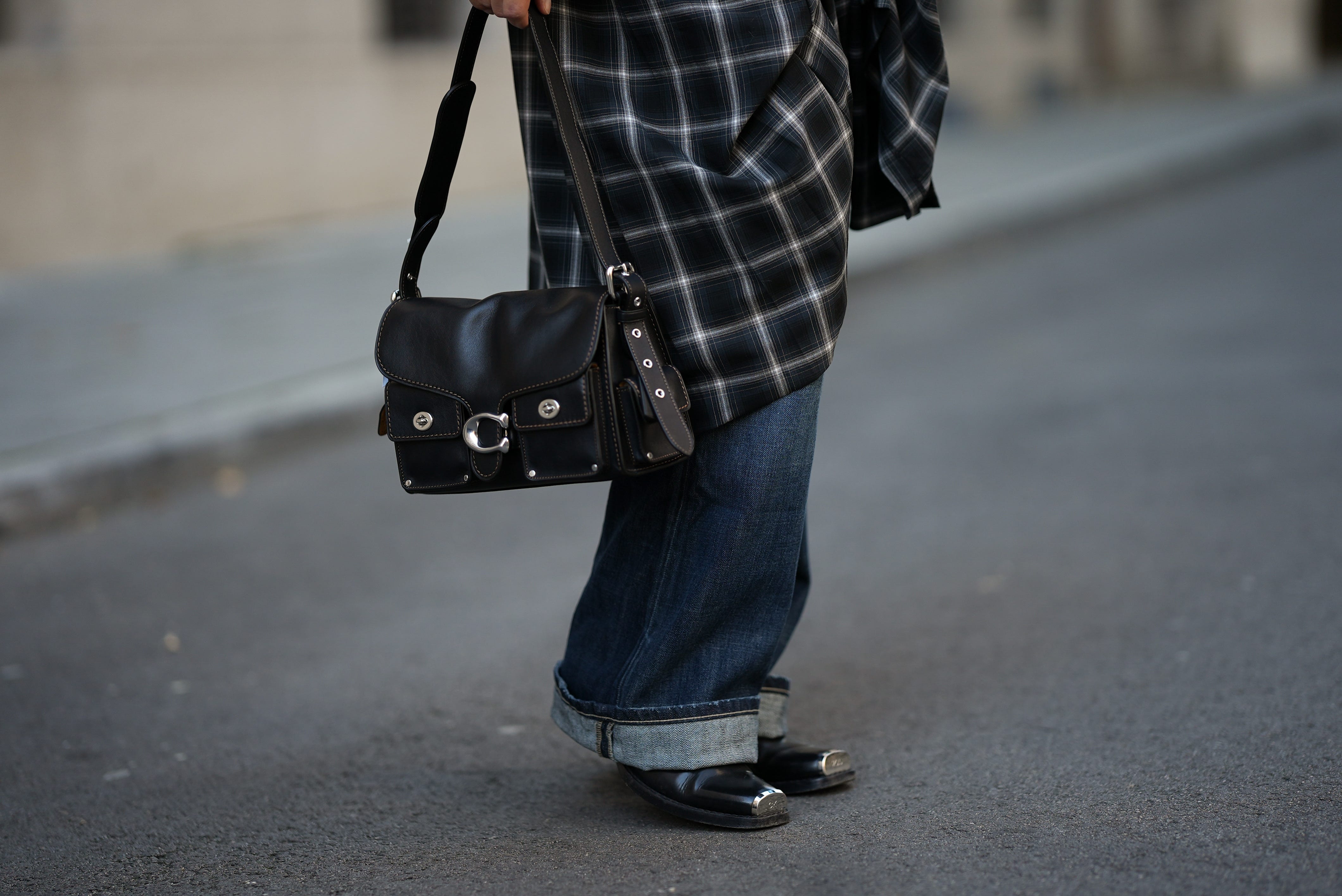
Gen Z is carrying Coach — literally and figuratively.
That demographic of shoppers, born between 1997 and 2012, is the “center of the bull’s-eye” for the luxury handbag brand, according to Scott Roe, CFO and COO of Coach’s parent company Tapestry.
Now, Tapestry wants to replicate the success it has had with Coach for Kate Spade, which it acquired in 2017.
Roe talked at length about Tapestry’s focus on Gen Z during an upcoming episode of Monica Langley’s “Office Hours: Business Edition” podcast, set to release on Wednesday. Business Insider got an exclusive look at the episode’s transcript.
Coach zeroed in on Gen Z out of necessity. Roe told Langley that the company was looking at data, which estimated that, by 2030, about 70% of handbag purchases were going to be made by either Gen Z or millennial buyers. But the average age of Coach buyers was 40, he said.
“We said, well, that’s a problem,” Roe recounted. “We got to get younger.”

The approach has paid off.
During Tapestry’s November earnings call, CEO Joanne Crevoiserat told investors that Coach had acquired 1.7 million new customers in its most recent quarter, driven by Gen Z. Tapestry also reported revenue of $1.7 billion for the quarter, an increase of 13% year-over-year.
Just like Coach, Kate Spade is “targeting” Gen Z, Roe said.
“We like 18 years as a point of entry. That’s when a young lady goes from upper school or high school into college,” Roe said. “They typically go from a backpack to a bag.”
Giving Kate Spade the Coach treatment
First on Tapestry’s “road map” to bring Kate Spade into the zeitgeist is getting young buyers to “be aware that Kate Spade exists,” Roe said, which means increasing marketing spend on the brand.
One example of a buzzy product that Kate Spade is pushing is its Duo Crossbody Bag, which Roe said is “already a big bag” and expects it to be a hit over the holidays.
Social media, such as videos on YouTube or posts on Reddit, play a role in getting Gen Z to “consider whether they want to buy the brand,” Roe said. (He didn’t go into detail on Tapestry’s strategy of paid social media partnerships with creators, however.)

Some members of the younger Gen Z cohort have more spending power than meets the eye, Roe said.
“They have six wallets, right? Two grandparents and their parents,” Roe said.
Doubling down on marketing to Gen Z
Going after Gen Z doesn’t come without hurdles, however.
“As we thought about how we become more relevant to that younger generation, we were also faced with some dilemmas,” Roe said.
The biggest obstacle: Gen Z has an endless array of options when it comes to shopping.
“Because there’s so many more choices for them, it’s more difficult to break through,” Roe said.
How to break through? Marketing. And then more marketing.
Roe said that Tapestry “more than tripled” its marketing spend. “It’s our intent to keep doing that.”
Read the original article on Business Insider
The post How Kate Spade is using the Coach bag playbook to try to win Gen Z appeared first on Business Insider.